10 Best Kitchen Faucet Taps for Global Buyers
Choosing the right Kitchen Faucet Tap can shape daily comfort, water use, and kitchen hygiene. For global buyers, the decision involves more than appearance. A polished tap may look impressive online, yet its cartridge, inlet size, and finish determine long-term performance.
This guide examines ten reliable options for different kitchens, budgets, and installation conditions. Each model should be assessed for water pressure, mounting holes, swivel range, spray function, and replacement parts. A single-handle design can simplify temperature control, while a pull-out spout may reach deep pots beside the sink. Small details matter. A stiff hose becomes frustrating quickly.
Local requirements also deserve careful attention. Thread sizes, flow-rate rules, drinking-water certifications, and warranty terms vary between countries. Buyers should confirm compatibility with their plumbing before ordering. Product pages sometimes hide these details. That is worth questioning. We consider construction materials, ceramic cartridge quality, leak resistance, cleaning effort, and after-sales support. Stainless steel can resist corrosion, but the grade and finish still matter. Brass bodies may feel durable, though internal components require equal scrutiny.
Our recommendations draw on practical installation concerns, manufacturer specifications, and common user experiences. They are not absolute rankings. No faucet suits every household. A compact apartment may need a low-profile tap, while a busy family kitchen may benefit from a flexible spring neck. We also acknowledge uncertainty where specifications are incomplete or regional service is limited. The strongest choice is not always the most expensive one. It is the model that fits your sink, water system, habits, and maintenance expectations.
What Makes a Kitchen Faucet Tap the Best Choice?
What Makes a Kitchen Faucet Tap the Best Choice?
A good kitchen faucet tap should suit your sink, water pressure, and daily habits. In real installations, compatibility often matters more than appearance. Check the mounting holes, spout reach, and connection size before ordering. A tap that looks elegant may still splash water across a shallow basin. That mistake is easy to overlook.
Durable materials support long-term value. Stainless steel or certified food-contact materials are practical choices for busy kitchens. Ceramic cartridges usually provide smoother control and reduce dripping over time. Look for clear technical documents, warranty terms, and replacement-part availability. Global buyers should also verify local safety and water-efficiency requirements. Standards differ between countries. Do not assume one certificate works everywhere.
Tips: Measure carefully. Test the spray angle. Choose a finish that hides fingerprints if cleaning time matters. A pull-out head is useful for rinsing corners, but its hose may wear sooner. This is where honest evaluation helps. Fancy features can become unnecessary repairs. Check whether the supplier explains installation, maintenance, and pressure limits clearly. Reliable support is part of the tap’s value, not an extra detail.
Key Features to Compare Before Buying
10 Best Kitchen Faucet Taps for Global Buyers
Key Features to Compare Before Buying
Choosing among the 10 best kitchen faucet taps requires more than comparing photographs. I recommend checking your sink holes, countertop thickness, and local plumbing connections first. A beautiful tap may not fit a three-hole sink or a narrow cabinet space. Measure twice. Installation standards differ across countries, so confirm thread sizes and included adapters before ordering.
Water pressure affects daily comfort. Some taps perform well with strong pressure but feel weak in high-rise apartments. Look for a ceramic cartridge, which usually offers smoother control and fewer leaks. A pull-down spray head should return securely and reach every sink corner. Check hose length, swivel range, spray settings, and the ease of switching between stream and spray. Small details matter.
Material and safety deserve careful attention. Stainless steel or solid brass bodies often provide dependable service, while thin decorative coatings can wear near the handle. Ask for clear information about water-contact materials and relevant local safety certifications. A removable aerator helps clean mineral buildup, especially in hard-water regions. I once focused too much on finish and overlooked replacement parts. That was a costly mistake. Confirm warranty terms, spare cartridge availability, and return support before purchase. Touch controls and sensors can be convenient, but batteries and electronics may add future maintenance. Fancy is not always practical.
10 Recommended Kitchen Faucet Taps for Global Buyers
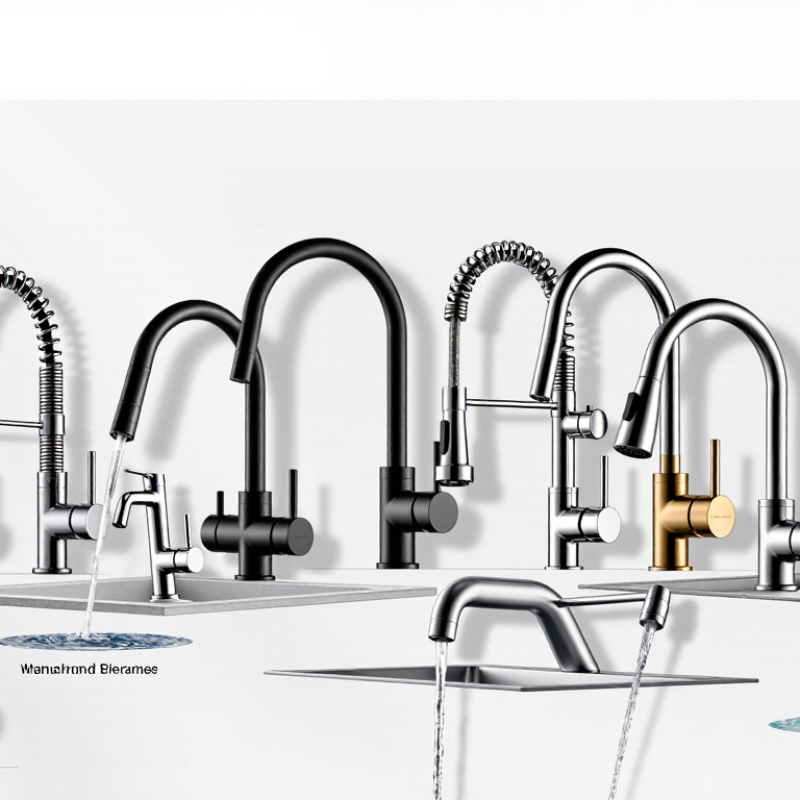
Global buyers need more than attractive finishes. The 10 recommended kitchen faucet taps below reflect different homes, water systems, and cooking habits. Pull-down taps suit deep sinks and frequent rinsing. Pull-out taps work better in compact kitchens. Single-handle models simplify temperature control with wet hands. Dual-handle taps offer precise adjustment and easier component replacement. Bridge taps add a traditional look, but they require more counter space.
Touchless taps reduce contact during food preparation. However, their sensors may respond poorly under strong sunlight or with dirty batteries. Filtered-water taps save counter space, while wall-mounted taps keep the sink area visually clear. Pot-filler taps help serious cooks, but installation requires suitable wall plumbing. Commercial-style taps provide strong reach and flexible spray movement. A tenth option is the basic fixed-spout tap, which often offers fewer failure points and simpler maintenance. Small details matter.
The U.S. Environmental Protection Agency’s WaterSense specification identifies efficient kitchen faucets at 1.5 gallons per minute, or about 5.7 liters. Buyers should compare this rating with local regulations and household water pressure. The WHO/UNICEF Joint Monitoring Programme reported that 2.2 billion people lacked safely managed drinking water in 2022. Therefore, choose corrosion-resistant materials, clear certification, and replaceable cartridges. Check hose length, aerator access, mounting-hole size, and spare-part availability before purchase. A perfect recommendation is impossible. Hard-water users may value easy cleaning more than touchless technology, while families with children may prefer dependable manual controls.
10 Recommended Kitchen Faucet Taps for Global Buyers
Comparison of typical water-flow rates for widely used kitchen faucet configurations. Values are shown in litres per minute and reflect common retail specification ranges; buyers should verify local plumbing and water-efficiency requirements.
Lower-flow models can reduce water consumption, while pull-down and commercial-style taps generally provide stronger flow for intensive kitchen tasks.
Installation, Maintenance, and Long-Term CareWinvalid
For global buyers, a kitchen faucet should fit both the sink and the local plumbing system. Measure the mounting hole before ordering. Many sinks use one hole, while older models may require three. Check the water-supply thread size, hose length, and included adapters. Local plumbing standards differ, so a licensed installer should confirm compatibility where required.
Turn off both shutoff valves before installation. Place a cloth beneath the connections to catch trapped water. Hand-tighten flexible hoses first, then use a wrench gently. Excess force can damage plastic threads. After installation, open the valves slowly and inspect every joint with dry tissue. A tiny damp mark matters. I once ignored one and found cabinet swelling several days later.
Long-term care depends on water quality and daily habits. Wipe the spout with a soft cloth after use, especially in areas with hard water. Do not use abrasive powders or strong acids on plated surfaces. Remove and rinse the aerator every few months. Sediment can reduce flow and create uneven spray patterns. If the handle becomes stiff, check the cartridge rather than forcing it. Keep replacement seals and cartridges available, but confirm their measurements before purchase. Some maintenance instructions look simple, yet rushing them causes avoidable leaks. Inspect hoses annually for bulges, rust, or cracking, and replace damaged parts promptly.


