2026 Best Crucible for Copper Buyers Guide
Choosing the right Crucible For Copper can determine whether a melt is clean, stable, and safe to pour. Copper melts at approximately 1,085°C, but the crucible must tolerate more than that temperature. Repeated heating, cooling, chemical reactions, and mechanical handling create additional stress. A container that looks suitable in a product photo may crack after several cycles. This 2026 buyer’s guide examines graphite, silicon carbide, clay-graphite, and other commonly specified materials. It focuses on verified performance rather than attractive specifications.
Real purchasing decisions depend on furnace type, batch size, heating rate, and copper purity. A small electric furnace needs different proportions from a gas-fired setup. Wall thickness, pouring-lip design, tongs compatibility, and maximum working temperature deserve close attention. Manufacturer data should include material composition, recommended temperature limits, capacity, and replacement guidance. Independent test reports or traceable quality documentation can strengthen confidence, although not every supplier provides them. That gap matters.
Safety cannot be treated as an accessory. Inspect the crucible for hairline cracks, moisture, distortion, or rough edges before every use. Preheating procedures should follow the manufacturer’s instructions. Dry tools only. Protective equipment and suitable ventilation remain essential in professional and educational settings. This guide also recognizes an uncomfortable truth: the cheapest option may become expensive after premature failure, yet premium pricing does not guarantee quality. Some recommendations may need adjustment after real furnace trials. Careful records, supplier communication, and measured results will support a more reliable choice in 2026.
What Is a Crucible for Copper and Why Does Material Choice Matter?
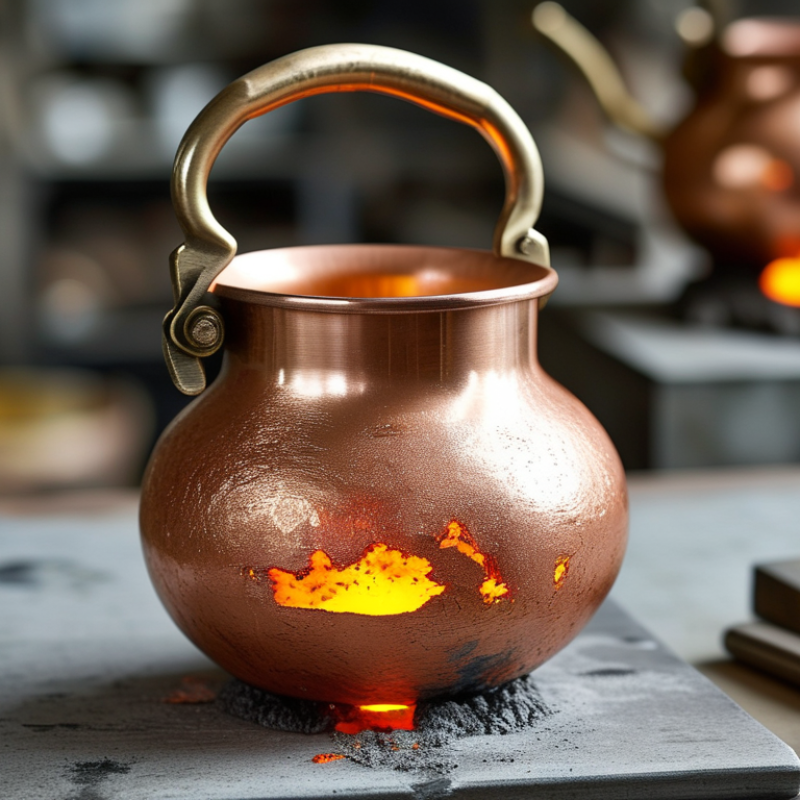
A crucible for copper is a heat-resistant vessel used to melt, hold, and pour copper safely. Copper melts at about 1,085°C, but the crucible must handle higher furnace temperatures. It also faces thermal shock, oxidation, metal expansion, and repeated heating cycles. Heat changes fast. These conditions make material choice a practical decision, not a cosmetic one.
Clay-graphite crucibles offer good thermal conductivity and often suit small foundry work. Silicon carbide options usually provide stronger resistance to heat, impact, and repeated use. Graphite can heat copper efficiently, but excessive oxygen may accelerate surface wear. Ceramic materials resist chemical attack, though some types are more vulnerable to sudden temperature changes. The right choice depends on furnace design, batch size, pouring frequency, and expected service life.
In practical furnace work, I check the crucible wall, rim, base, and lifting points before every melt. A pale, cracked rim is a warning. Small defects matter. A crucible can look sound and still fail after another heating cycle. I have also learned that “longer life” is not always better value if heating is uneven or handling is rough. Select a capacity with working space above the copper, not a brim-full load. Follow the manufacturer’s heating procedure, avoid sudden cooling, and record each use. These simple records often reveal whether damage comes from the material, the furnace, or operator habits.
How to Compare Crucible Materials for Copper Melting Applications
A reliable crucible for copper melting starts with the metal, not the price tag. Pure copper melts at 1,084.62°C, according to the NIST Chemistry WebBook. Your crucible must tolerate that temperature, repeated heating, and sudden cooling. Graphite-clay crucibles offer good thermal conductivity and clean metal release. Silicon-carbide crucibles usually provide stronger abrasion resistance and better durability during frequent charging. Alumina can suit controlled atmospheres, but thermal shock remains a serious concern.
Compare materials through four practical checks: maximum service temperature, thermal-shock resistance, chemical compatibility, and expected cycle life. Copper alloys containing zinc or tin may react differently from pure copper. Fluxes can also attack the crucible surface. A thick wall may improve durability, yet it can slow heating and increase fuel use. The International Copper Study Group continues to report strong global copper demand, making efficient melting and scrap recovery increasingly important. USGS Mineral Commodity Summaries 2025 also identifies recycled copper as an important supply source.
Measure real operating conditions before buying. Record the furnace temperature, charge weight, heating rate, and cooling method. Inspect the crucible after every cycle. Look for hairline cracks, a glazed interior, or wall thinning. Small details matter. I would not rely only on catalogue ratings. They often describe ideal laboratory conditions, while production work includes damp charge, uneven loading, and accidental thermal shock. A controlled trial with three or four cycles may reveal more than a broad specification sheet.
How to Evaluate Heat Resistance, Durability, and Chemical Compatibility
Choosing the best crucible for copper in 2026 starts with heat resistance, not price. Copper melts at about 1,085°C, but the crucible needs operating headroom. For repeated melting, I look for a documented service temperature near 1,200°C or higher. Furnace hot spots can exceed the displayed setting. That detail matters. Thermal shock is equally important. A cold crucible placed into a hot furnace may crack, even when its rating looks adequate.
Durability depends on more than wall thickness. Inspect the rim, base, and pouring lip before every cycle. Small flaws matter. A tiny edge chip can spread during lifting. Dense, low-porosity ceramic often resists metal penetration, while graphite transfers heat differently and may oxidize in air. Neither option is automatically superior. In practical testing, record heating speed, load weight, cycle count, and visible wear. These notes reveal more than a vague claim of long service life.
Copper purity, flux selection, and furnace atmosphere can change chemical compatibility. Some fluxes attack ceramic binders, while oxygen can consume exposed graphite. Request composition data, maximum working temperature, recommended atmosphere, and cleaning guidance. Test a new crucible with a small charge first. I would not trust appearance alone; a smooth interior can hide manufacturing weakness. Avoid overfilling, too. Molten copper splashes easily and places extra stress on the pouring lip.
2026 Best Crucible for Copper Buyers Guide
How to Evaluate Heat Resistance, Durability, and Chemical Compatibility
How to Read the Chart
The chart compares typical upper service temperature in inert or reducing atmospheres with room-temperature thermal conductivity. Actual limits vary with atmosphere, crucible thickness, heating rate, mechanical loading, and furnace design.
- Graphite: Very high temperature capability and strong thermal-shock resistance, but it oxidizes rapidly in air and may require a protective atmosphere or coating.
- Silicon carbide: High temperature resistance, good thermal conductivity, and excellent resistance to thermal shock. It is commonly considered for repeated copper melting cycles.
- Alumina: Strong chemical stability and good oxidation resistance. Its lower thermal conductivity can create larger temperature gradients during rapid heating.
- Fused silica: Extremely low thermal expansion and excellent thermal-shock resistance, but its lower service temperature and lower mechanical strength limit heavy-duty applications.
For molten copper, prioritize a crucible that does not readily react with copper oxides, fluxes, or furnace contaminants. Always confirm compatibility with the specific alloy, flux chemistry, operating atmosphere, and maximum working temperature before purchase.
What Should Buyers Check Before Purchasing a Copper Melting Crucible?
Before purchasing a copper melting crucible, check its working temperature, material, capacity, and furnace compatibility. Copper melts at about 1,085°C, but the crucible needs a safer operating margin. Repeated heating also causes thermal shock, oxidation, and wall thinning. Graphite, clay-graphite, and silicon-carbide crucibles behave differently under these conditions. Ask for published temperature limits, thermal-shock data, and chemical-resistance information. Do not guess.
Size matters more than many buyers expect. A crucible filled to the rim can overflow during stirring or metal expansion. Select a practical working capacity, not only the advertised maximum. Inspect the wall thickness, pouring lip, base stability, and lifting features. The International Copper Study Group’s 2024 market forecast indicated continued growth in refined copper demand through 2025. More production pressure may encourage faster melting cycles, but speed can reduce crucible life. That trade-off deserves attention.
Reliable documentation should include batch traceability, dimensional tolerances, inspection records, and safe handling instructions. The USGS Mineral Commodity Summaries 2025 reported approximately 22 million metric tons of global mined copper production in 2024, showing the scale of this demanding industry. Still, large market data cannot replace a furnace trial. Test one unit with the actual alloy, heating method, flux, and cycle length. A cheaper crucible may appear efficient, yet unexpected cracking can cost more than its purchase price. One uncomfortable point remains: supplier claims are not proof without test records.


