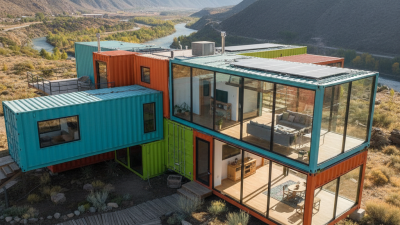
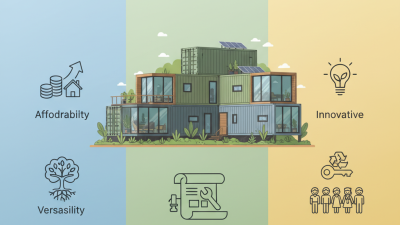
2026 Best Container Homes for Sale Worldwide?
Choosing the best container homes for sale worldwide in 2026 requires more than comparing photographs and prices. A reliable decision must examine structure, insulation, transport, planning approval, and local climate. A stylish 40-foot unit may look ready for delivery, yet its final cost can change after foundation work, utility connections, and customs charges.
The market is gaining attention as housing demand intensifies. UN-Habitat reports that about 1.6 billion people live in inadequate housing, highlighting the need for faster and more adaptable construction. McKinsey’s report, Modular construction: From projects to products, suggests that modular methods can shorten schedules by 20% to 50% and potentially reduce costs by up to 20%. These figures describe modular construction broadly, not every container home. That distinction matters.
Energy performance also deserves close attention. The 2024 Global Status Report for Buildings and Construction states that buildings consume around 32% of global energy and produce approximately 34% of global carbon emissions. Reusing a steel container sounds sustainable. It is not automatically sustainable. Poor insulation, excessive shipping, or inefficient heating can weaken that environmental benefit.
This guide compares container homes by design quality, reported specifications, supplier transparency, durability, and practical value. Buyers should request engineering documents, material lists, warranty terms, and verified delivery costs. Look closely at the walls. Condensation can hide behind attractive finishes. Some listings remain vague, and that is a warning sign, not a minor inconvenience.
The strongest option may not be the cheapest one. It may be the home that performs reliably after years of rain, heat, transport, and everyday living.
What Defines a Container Home in 2026
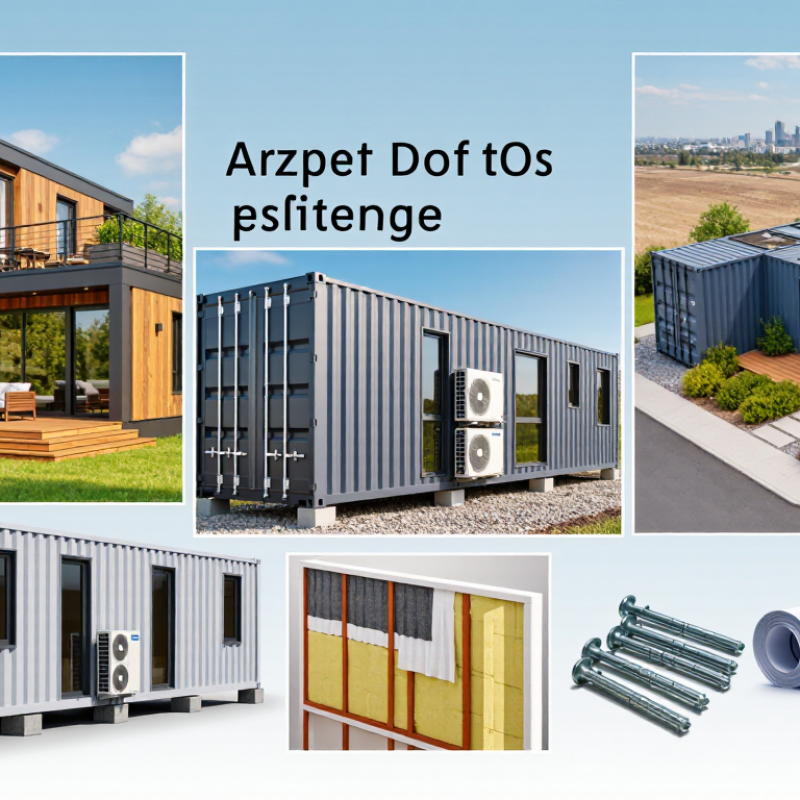
In 2026, a container home is more than a steel box with windows. It is a dwelling adapted from a freight container or designed around modular steel construction. The definition depends on performance, not appearance. A credible home should show its structural history, modification records, insulation values, and ventilation plan. Reused units may have dents, salt exposure, or hidden corrosion. That matters.
A careful inspection should examine welds, roof joints, floor treatments, and openings cut into the walls. Large windows can weaken the structure without proper reinforcement. Steel also creates thermal bridges, making interiors cold in winter and hot in summer. Effective insulation, vapor control, cross-ventilation, and shading are essential. In humid regions, poor detailing can produce condensation behind wall panels. I have seen attractive interiors conceal uncomfortable moisture problems.
Homes sold worldwide should include clear dimensions, material specifications, energy information, and installation requirements. A coastal design needs different corrosion protection than one intended for a dry inland climate. Snow loads, wind exposure, earthquake risk, and local planning rules also influence the final design. Buyers should ask whether plumbing, electrical work, fire safety, and foundations were reviewed by qualified local professionals. Some listings describe any compact steel building as a container home. That label can be convenient, but it is not always technically honest.
How to Compare Container Homes by Design, Size, and Quality
A good comparison of container homes starts with measurable constraints, not attractive renders. ISO 668:2020 lists standard external lengths of 6.058 and 12.192 metres. Both units are about 2.438 metres wide. Interior insulation reduces usable space further. A 20-foot module may suit a compact studio. A 40-foot module offers better separation between sleeping and living areas. However, wider layouts often require carefully engineered extensions.
Design should support daily movement. Place windows opposite each other for cross-ventilation. Check door swings, kitchen clearances, and furniture access. I have found that a beautiful plan can feel narrow beside a full-size bed. That mistake is easy to miss online. Look for shaded glazing, covered entrances, and service access. These details affect comfort more than decorative cladding.
Quality requires evidence. Ask for steel inspection records, weld specifications, corrosion treatment, and moisture testing. ISO 1496-1 provides structural testing principles for freight containers, but residential conversion adds new openings and loads. Those changes need documented engineering review. Thermal performance deserves equal attention. The UNEP Global Status Report for Buildings and Construction 2023 reported that buildings consumed about 34% of global energy and produced roughly 37% of energy-related emissions in 2022. Strong insulation, airtight layers, and efficient ventilation therefore matter. Compare tested U-values, not vague claims. A lower purchase price may hide expensive condensation repairs. I would still inspect the home in person, because photographs rarely reveal cold bridges, uneven floors, or compressed insulation.
The Best Container Home Types Available Worldwide
Container homes now come in several practical forms, each suited to different climates, budgets, and lifestyles. Single-container studios work well for compact living, guest rooms, or remote workspaces. They usually include one open room, a small kitchen, and a bathroom. Careful insulation matters. Steel transfers heat quickly.
Multi-container homes offer more space and design flexibility.
Two or three units can create separate bedrooms, wider living areas, and sheltered courtyards. Designers may place containers side by side or stack them, but structural checks become essential. Openings cut into the steel can weaken the original frame. A qualified engineer should review every major modification.
Some buyers choose hybrid container homes, combining steel modules with timber, concrete, or locally built sections. This approach can improve ventilation and create more natural interior spaces. Prefabricated homes with factory-finished walls may reduce construction time, although transport access can become difficult on narrow roads. Rural buyers should confirm delivery routes early.
Climate-specific types deserve serious attention.
Elevated homes suit flood-prone areas, while heavily insulated models perform better in cold regions. Hot climates need shade, cross-ventilation, reflective roofing, and efficient cooling. Off-grid designs may include solar systems and rainwater storage, subject to local requirements. In my experience, the cheapest model rarely remains cheapest after foundation work, utility connections, and moisture protection. Some layouts also feel tighter than photographs suggest. Visiting a completed home would be wiser, but that option is not always available worldwide.
Where to Find and Buy Container Homes in 2026
In 2026, buyers can find container homes through local modular builders, certified shipping-container yards, licensed dealers, and established property marketplaces. Regional construction directories and housing exhibitions may also list independent suppliers. Search locally before looking overseas. Delivery costs can exceed the advertised home price.
Ask each seller for the container’s age, structural inspection report, floor plan, material specifications, and construction timeline. A reliable supplier should explain insulation, ventilation, electrical systems, plumbing, and fire-safety features clearly. Request recent project photos, then inspect one completed home if possible. Small details matter. Check door seals, welds, roof drainage, and interior condensation marks. Do not rely only on attractive digital images.
Before paying a deposit, confirm local planning approval, land-use rules, foundation requirements, utility connections, and transport access. A narrow road or weak bridge can complicate delivery. Get separate prices for the home, site preparation, crane work, permits, taxes, and installation. These costs are often overlooked. I would not assume a recycled container is automatically sustainable or inexpensive; repairs and insulation can change both claims. Some online listings appear simple, but their warranties may be vague. Use written contracts, staged payments, and an independent inspection. A careful buyer may wait longer, yet that delay can prevent an expensive mistake.
Costs, Regulations, Delivery, and Installation Considerations
2026 Best Container Homes for Sale Worldwide?
Buying a container home in 2026 requires more than comparing online prices. A low purchase price can mislead. The final budget may include engineering, insulation, windows, plumbing, electrical work, taxes, and site preparation. A realistic quote should separate factory work from local installation. Ask whether it includes foundations, interior finishes, appliances, and connection to utilities.
Regulations differ sharply between countries, cities, and rural districts. Local authorities may require zoning approval, structural drawings, energy calculations, and fire-safety documentation. Coastal and seismic areas often demand stronger anchoring. Some regions also restrict permanent homes made from converted containers. Confirm approval before paying a deposit. A qualified local architect or building surveyor can review the design and permit path.
Delivery needs careful planning. Measure narrow gates, bridges, turning areas, and overhead cables before shipping. A standard truck may not reach a steep or muddy site. Crane access can add significant cost, especially when the home arrives in sections. The foundation must be level and suitable for local soil conditions. Installation also needs weather protection, drainage, ventilation, and tested utility connections.
The container idea sounds simple. It rarely is. Some homes look affordable online but exclude site labor and compliance work. I would request a written scope, staged payments, warranty terms, and a schedule with weather delays. Product quality can vary, and early drawings may hide practical problems. A careful inspection before delivery is worth the extra time.