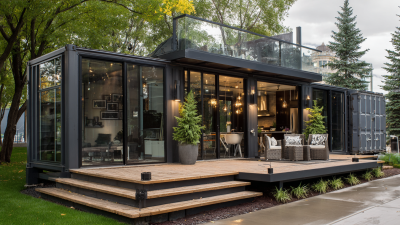
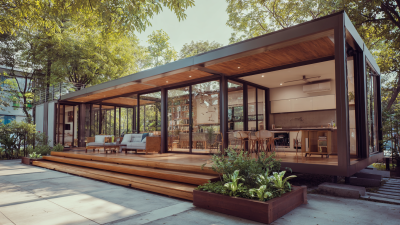
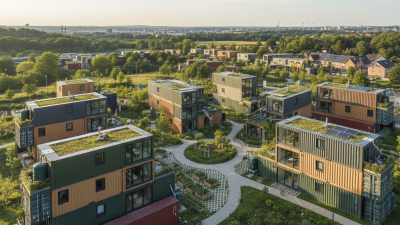
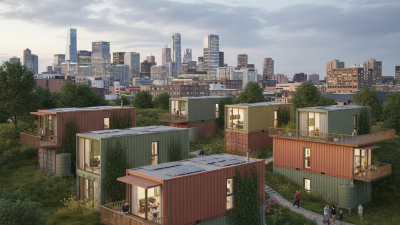
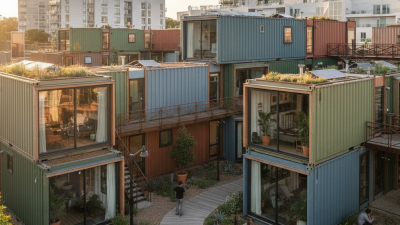
Container homes offer an innovative approach to sustainable living. They are made from repurposed shipping containers, which reduces waste. This method reflects a crucial step towards environmentally friendly housing solutions. These homes are versatile, affordable, and can be found in a variety of designs.
Building a container home can be challenging. From finding the right location to ensuring proper insulation, many factors come into play. Potential builders might find themselves overwhelmed by regulations and design choices. It is essential to address these challenges thoughtfully. Many first-time builders face obstacles that require patience and research.
The beauty of container homes lies in their adaptability. They can fit various lifestyles, whether for individuals or families. However, not every design works for everyone. A careful consideration of one’s needs can help guide the decision-making process. Embracing container living could lead to a rewarding yet reflective journey.

Container homes are gaining traction in sustainable living. These structures use shipping containers, often repurposed, as the main building material. Reports indicate that up to 22 million containers are currently unused globally. Repurposing these containers reduces waste significantly. It also lowers the carbon footprint associated with traditional construction methods.
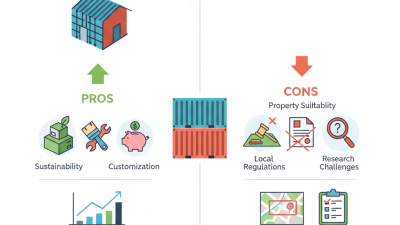
The benefits of container homes extend beyond environmental impact. They can be constructed quickly and affordably. A typical container home costs about 30% less than traditional homes, according to industry studies. Their modular nature allows for flexibility in design. Homeowners can create unique, customized spaces. However, there are challenges to consider, such as insulation. Proper thermal management is needed for comfort in extreme climates.
Living in a container home may require a mindset shift. Limited space can lead to less clutter, promoting a simpler lifestyle. Yet, it also demands careful planning and creativity in design. Some find it hard to adjust to the smaller living area. For many, the benefits of sustainable living outweigh these challenges. Embracing this lifestyle means being open to innovative, eco-friendly solutions.
| Aspect | Description | Benefits |
|---|---|---|
| Cost Efficiency | Container homes are often cheaper to build than traditional homes due to the availability of shipping containers. | Lower overall construction costs, making housing more accessible. |
| Sustainability | Recycling used shipping containers reduces waste and minimizes the demand for new materials. | Environmentally friendly option, reducing carbon footprint. |
| Speed of Construction | Container homes can be assembled quickly compared to traditional building methods. | Faster move-in timelines for homeowners. |
| Durability | Shipping containers are designed to withstand harsh conditions, making them durable structures. | Long-lasting homes that require less maintenance. |
| Flexibility | Containers can be combined and reconfigured into various layouts and designs. | Customizable living spaces to suit personal needs and preferences. |
Choosing the right shipping containers is crucial for building a sustainable home. Each container has different dimensions and structural integrity. A standard 20-foot container can provide approximately 160 square feet of living space. It is important to assess the condition of the container. Look for signs of rust or damage. Such issues can be costly and time-consuming to fix.
Here are some tips for selecting containers. Check the container's history. Containers used for shipping produce may be safer than those transporting chemicals. Ensure the container meets your local building codes. Regulations vary widely, and ignorance can lead to costly fines or project delays. Don’t overlook insulation and ventilation. Containers can be hot in summer and cold in winter.
One common mistake is underestimating the amount of space you need. Think about your lifestyle. Do you have a family or pets? Consider future expansions. A well-planned layout can make even a small container comfortable. Test the configuration with cardboard before making permanent changes. Remember, while containers offer flexibility, they require careful planning for effective use.
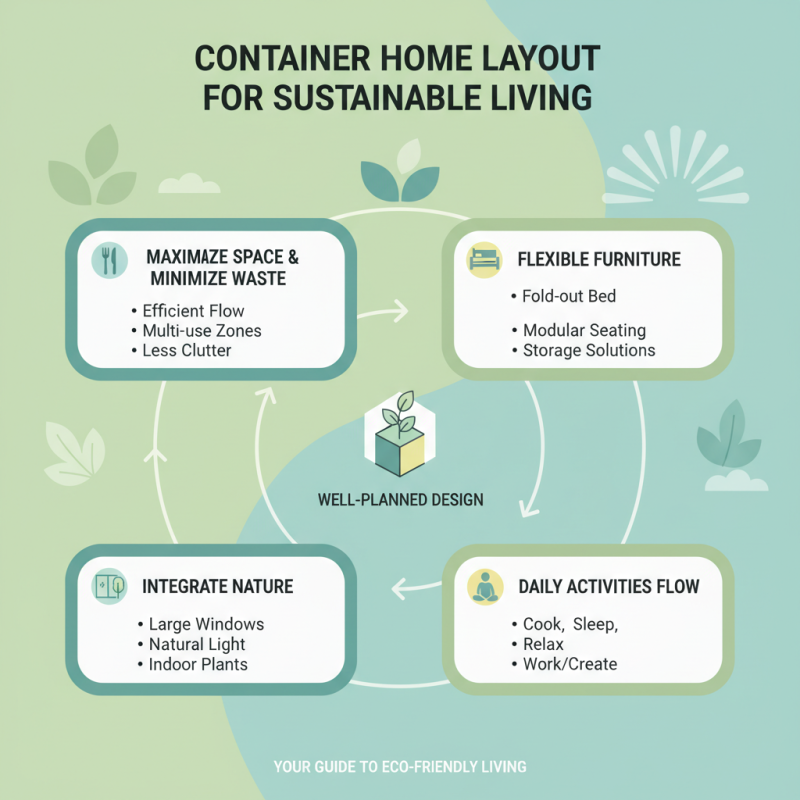
Designing the layout of a container home is critical for sustainable living. A well-planned design maximizes space and minimizes waste. Consider the flow of your daily activities. You want areas for cooking, sleeping, and relaxing. Use flexible furniture to adapt to your needs. Think about how you can integrate nature. Large windows create natural light and connect indoor and outdoor spaces.
**Tips:** Focus on multi-functional spaces. A foldable dining table can double as a workspace. Use vertical storage solutions to save floor space. This not only keeps your home organized but also makes it feel larger.
Consider energy efficiency when designing features. Insulation is key to maintaining comfortable temperatures. Solar panels could provide power without relying on traditional sources. Reflect on your choices—what materials will have the least environmental impact? Each decision will determine your home’s sustainability level. You might find that some decisions do not yield the desired results. Acknowledge that adjustments will be necessary as you go along.
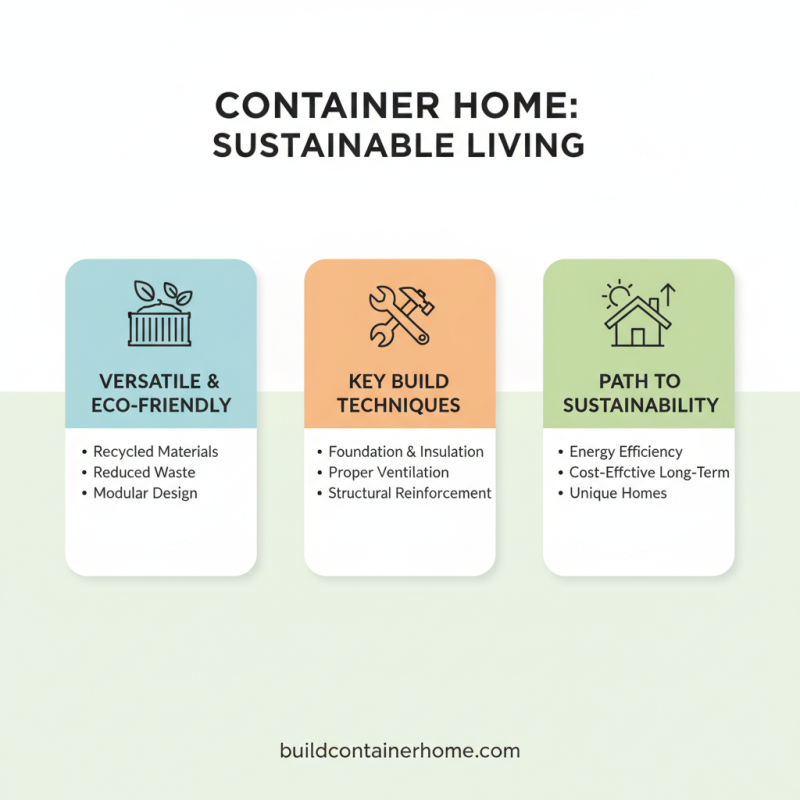
Building a container home offers a unique path to sustainable living. These structures are versatile and eco-friendly. However, there are key techniques to consider for a successful build.
When preparing to build, choose the right containers. Inspect each one carefully. Look for rust, structural issues, and damage. This step is crucial. Inadequate containers may lead to costly repairs later. Ensure that your site has proper drainage. Water pooling can damage foundations over time.
Consider insulation options. Containers can get hot in summer and cold in winter. Use recycled materials when possible. Insulating with eco-friendly options helps maintain temperature. Don't overlook the importance of solid ventilation.
**Tips:** Ensure natural light flows. Windows enhance mood and save energy. Create outdoor spaces. Integrating nature into your design can improve well-being. Reflect on your choices; mistakes can lead to learning experiences. Building a container home is rewarding, but it requires careful planning and reflection.
Container homes offer innovative solutions for sustainable living. By incorporating sustainable technologies, we can minimize our environmental impact. Renewable energy sources are key features. Solar panels on roofs can significantly reduce electricity bills. According to a recent report by the National Renewable Energy Laboratory, solar energy can offset up to 80% of energy costs in residential setups.
Water conservation is another essential aspect. Rainwater harvesting systems collect and store rainwater for use. This system can cut water bills by 50% or more. Greywater recycling systems can also be installed. They reuse water from sinks and showers for irrigation. By adopting these strategies, container homes become eco-friendly without sacrificing comfort.
**Tips:** When designing your container home, think critically about your energy needs. If possible, run energy efficiency audits to guide your decisions. Explore various insulation materials. Some eco-friendly options may not perform as expected, leading to gaps in temperature control. Also, be cautious with building codes. Not all areas allow container homes, affecting your design choices. Embrace the challenge; it often leads to creative innovations.
| Cookie | Duration | Description |
|---|---|---|
| cookielawinfo-checkbox-analytics | 11 months | This cookie is set by GDPR Cookie Consent plugin. The cookie is used to store the user consent for the cookies in the category "Analytics". |
| cookielawinfo-checkbox-functional | 11 months | The cookie is set by GDPR cookie consent to record the user consent for the cookies in the category "Functional". |
| cookielawinfo-checkbox-necessary | 11 months | This cookie is set by GDPR Cookie Consent plugin. The cookies is used to store the user consent for the cookies in the category "Necessary". |
| cookielawinfo-checkbox-others | 11 months | This cookie is set by GDPR Cookie Consent plugin. The cookie is used to store the user consent for the cookies in the category "Other. |
| cookielawinfo-checkbox-performance | 11 months | This cookie is set by GDPR Cookie Consent plugin. The cookie is used to store the user consent for the cookies in the category "Performance". |
| viewed_cookie_policy | 11 months | The cookie is set by the GDPR Cookie Consent plugin and is used to store whether or not user has consented to the use of cookies. It does not store any personal data. |