Why Are Converted Container Homes Gaining Popularity Today?
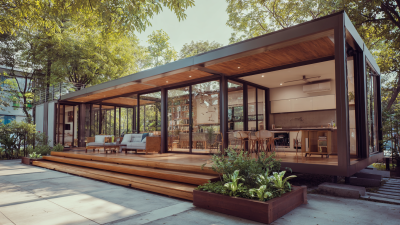
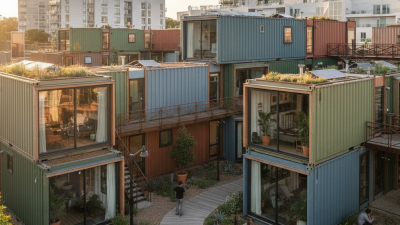
Converted container homes are capturing the imagination of many. These unique dwellings blend functionality with sustainability. They are made from shipping containers, often repurposed and transformed into stylish living spaces.
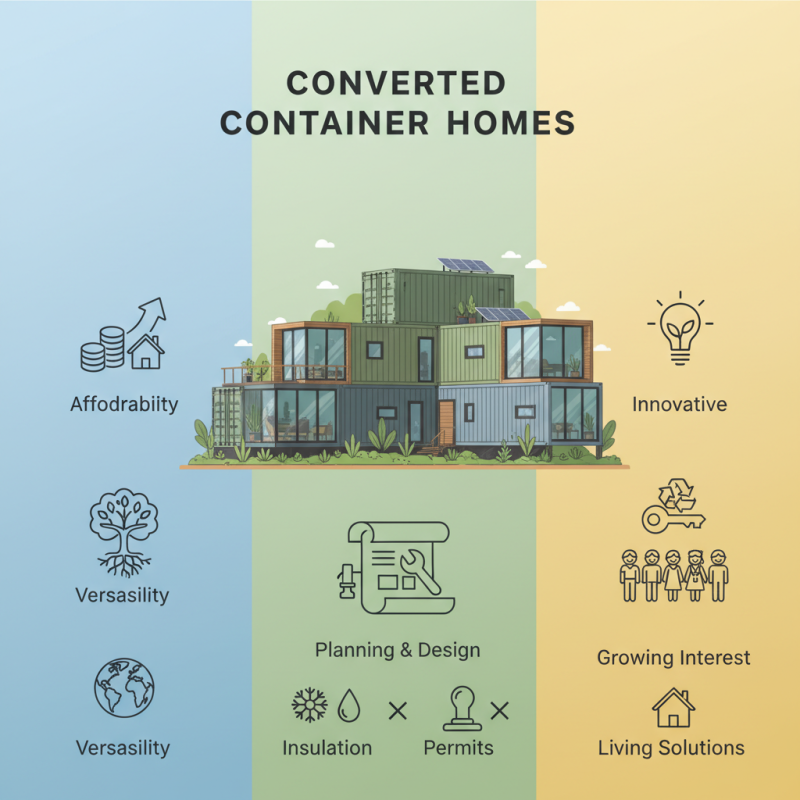
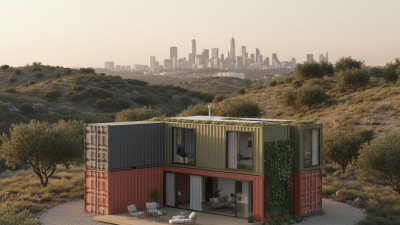
The appeal lies in their affordability and versatility. Building with containers can reduce construction costs. Furthermore, these homes can be placed in various locations, adapting to different lifestyles. Many people appreciate this flexibility when choosing their living environment.
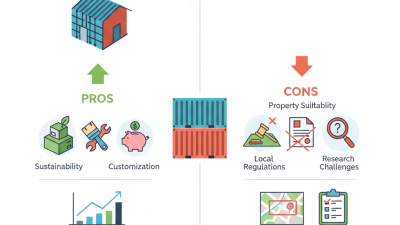
However, not everything is perfect. Converting a container requires careful planning and design. There may be challenges with insulation, plumbing, or permits. People need to do thorough research. Understanding these aspects can help in creating a comfortable home. Overall, the rise of converted container homes reflects a growing interest in innovative and eco-friendly living solutions.
Factors Driving the Popularity of Container Homes Today
Container homes are attracting attention for various reasons. One key factor is affordability. Traditional homes are often expensive. Many people are looking for cost-effective housing solutions. Container homes can provide this. They are often cheaper to build than traditional houses.
Sustainability is another important aspect. Using shipping containers for homes promotes recycling. This process reduces waste and helps the environment. People are increasingly aware of their ecological footprints. They want greener living spaces. Container homes often require fewer resources than regular builds.
Flexibility also plays a significant role in their rising popularity. These homes can be customized in many ways. Individuals can choose layouts that suit their needs. Some might prefer compact designs, while others want larger spaces. However, not all designs work for everyone. Poor planning can lead to cramped living conditions. Therefore, careful thought is essential when designing these homes.
Sustainability and Environmental Benefits of Container Housing
Container homes are becoming a popular choice for eco-conscious individuals. They provide significant sustainability and environmental benefits. Using shipping containers as building blocks reduces waste. These containers are often repurposed from the shipping industry, minimizing the need for new materials. This practice supports circular economy principles.
Energy efficiency is another appealing aspect. Container homes can be designed to optimize insulation. This reduces heating and cooling costs over time. Good design can create comfortable living spaces using less energy. However, many people overlook the potential challenges in achieving a perfectly comfortable environment.
Sustainable living goes beyond just materials. It encompasses efficient water usage and renewable energy sources. Many container homes incorporate solar panels. They contribute to a smaller carbon footprint. Yet, building with containers can present issues, such as insulation difficulties. These homes may need careful planning to meet local building codes. Addressing these challenges is essential for creating truly sustainable living spaces.
Why Are Converted Container Homes Gaining Popularity Today? - Sustainability and Environmental Benefits of Container Housing
| Dimension |
Data |
| Average Cost per Unit |
$15,000 - $30,000 |
| Time to Build |
3 - 6 months |
| Energy Efficiency |
Up to 80% less energy use |
| Recyclability |
90% recyclable materials |
| Carbon Footprint Reduction |
50% less compared to traditional homes |
| Types of Uses |
Residential, Office, Retail |
| Popularity Surge |
Increased by 250% in last 5 years |
| Average Lifespan |
50+ years with proper care |
Cost-Effectiveness: A Financial Analysis of Converted Container Homes
Converted container homes are emerging as an affordable housing solution. According to a report by the Container Housing Association, the average cost of building a container home ranges from $10,000 to $40,000. This is significantly lower than traditional homes, where costs can soar above $200,000. This price difference appeals to many, especially first-time buyers.
Financial benefits extend beyond initial costs. Container homes often require fewer materials and reduced labor. A survey by the Green Building Council indicated that sustainable materials can bring savings of up to 30%. Additionally, energy efficiency can lead to lower utility bills. Climate control systems in these homes can be cheaper and easier to install.
Despite the advantages, challenges exist. Not all areas permit container homes due to zoning laws. Potential buyers should investigate local regulations thoroughly. Also, the resale value may be uncertain, leading some to hesitate. Although these homes offer a unique lifestyle, buyers need to be patient and informed.
Cost-Effectiveness of Converted Container Homes
This chart illustrates the cost-effectiveness of converted container homes, highlighting initial cost, renovation expenses, maintenance costs, energy efficiency, and potential resale value.
Design Flexibility and Customization Options in Container Living
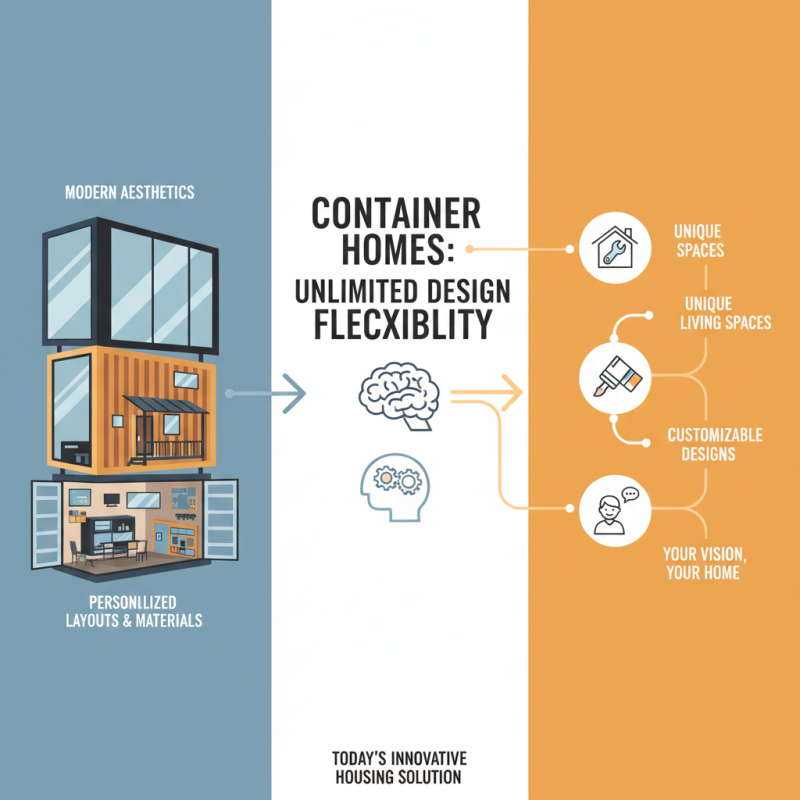
Container homes are captivating a growing number of people today. One major reason is the exceptional design flexibility they offer. Each container can be transformed into a unique living space. From modern aesthetics to rustic charm, the possibilities are endless. Owners can customize layouts, colors, and materials to suit their tastes. This level of personalization is rarely found in traditional housing.
The customization options extend beyond just the exterior. Interior configurations can be adapted based on lifestyle needs. For instance, open floor plans enable spacious living, while partitioning can create cozy nooks. While many appreciate these choices, some might find the decision-making process overwhelming. The sheer variety can lead to stress instead of joy. Balancing practicality and aesthetics is essential yet challenging.
Container living encourages creativity. Homeowners often repurpose furniture or choose sustainable materials. However, this approach isn't always straightforward. Not everything fits perfectly, and mistakes can happen. Some choose unconventional solutions that may not work as planned. These experiences lead to valuable lessons. Each decision contributes to a home that feels more personal and reflective of its occupants.
Impact of Urbanization on the Demand for Affordable Housing Solutions
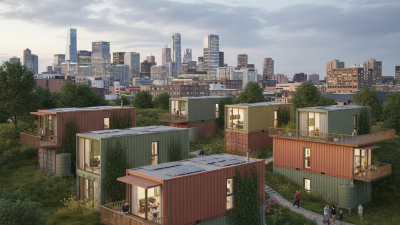
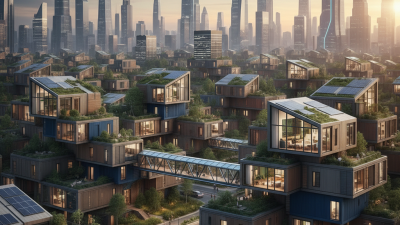
Urbanization is rapidly transforming cities into bustling hubs, often leading to a housing crisis. As populations grow, the need for affordable housing becomes more urgent. Converted container homes have emerged as a practical solution. They are cost-effective, sustainable, and can be placed in urban areas with minimal disruption.
These homes often use repurposed shipping containers. This not only reduces waste but also creates unique living spaces. However, converting containers isn’t always straightforward. Structural challenges and insulation issues must be managed carefully. Not every container can be a cozy home.
**Tips:** Consider local zoning laws before starting a project. Research the best materials for insulation to ensure comfort. Embrace the imperfections of container living; small spaces require creative organization solutions. The journey to create a home in a container may not be easy, but the outcome can be rewarding.