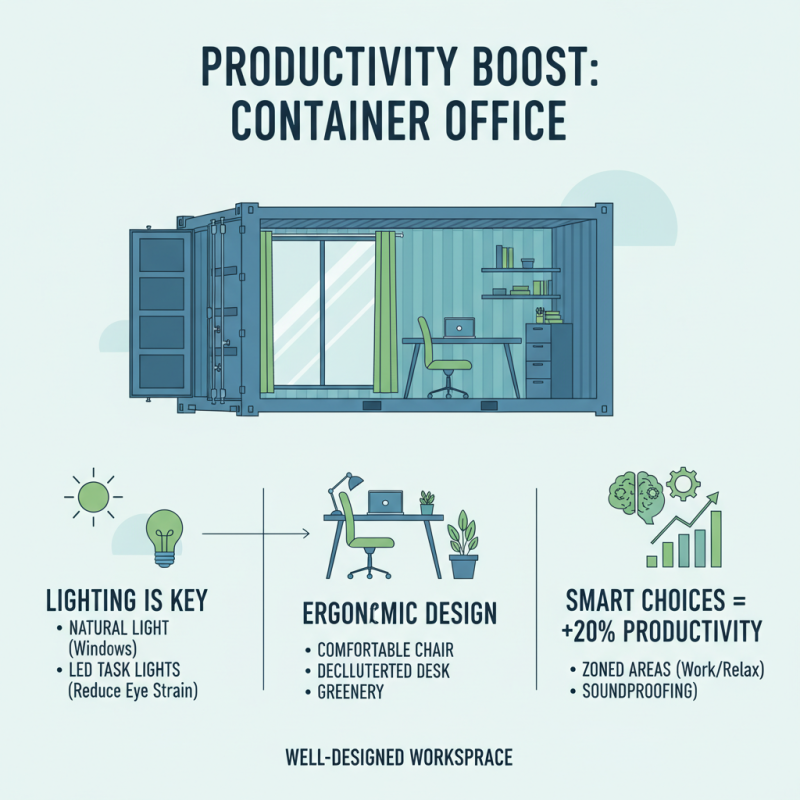
How to Create a Shipping Container Home Office Efficiently?
Creating a shipping container home office can be an exciting yet challenging project. These unique structures offer flexibility and sustainability. However, planning is crucial for success. A well-designed shipping container home office can inspire creativity and improve productivity.
Imagine transforming a rugged shipping container into a stylish workspace. With the right tools and creativity, this can become a reality. However, it is essential to consider insulation, ventilation, and natural light. These factors significantly impact comfort and functionality. Neglecting them may lead to an uninviting environment.
Moreover, the layout matters. A poorly arranged space may hinder workflow. Ensure that every corner serves a purpose. Think about how you want to work. Do you need quiet areas or collaboration spots? Reflect on these questions as you develop your space. Building a shipping container home office is rewarding, but it comes with its own set of challenges that require thoughtful consideration.

Planning Your Shipping Container Home Office Layout
Planning the layout for your shipping container home office is crucial. Start by considering the size and shape of the container. Most containers are around 20 to 40 feet long. Think about how many areas you need. Do you want a separate space for meetings, or will a single desk work? Visualizing the flow of the space can help you make better choices.
Natural light is essential for a work environment. Consider placing windows strategically. Large windows will allow more sunlight in. However, ensure that they fit within your design scheme. Lighting fixtures can also enhance the workspace. Think about how you will arrange furniture. Too many items can create clutter. Aim for a balance between functionality and comfort.
Be prepared for some trial and error. You may need to adjust your layout multiple times. Remember, creating a cozy and productive atmosphere takes time. A good plan today may not fit tomorrow's needs. Staying flexible is key. Reflect on what works and what doesn't as you set up your office. This adaptability will lead to a better workspace in the long run.
Choosing the Right Shipping Container for Your Needs
Choosing the right shipping container is crucial for your home office project. Not every container is suitable for this purpose. The size, condition, and layout significantly impact your workspace comfort and functionality. According to industry reports, a standard 20-foot shipping container provides about 160 square feet of space. This is often adequate for a small office setup.
Look for containers in good condition. They should have minimal rust and structural damage. Many experts recommend inspecting containers personally. Photos can be misleading. A damaged container might lead to extra renovation costs. Additionally, consider the layout of the interior space. Open layouts can create an airy feel but might require more insulation if you plan to work in colder months.
Assess your specific needs before selecting a container. If you need room for equipment, a larger container may be necessary. A report from the Container Home Association indicates that 40-foot containers are becoming increasingly popular for larger home offices. However, they come with a higher price tag and more logistical challenges. Keep in mind the local zoning laws as well—they can differ significantly. Ensure your choice complies with regulations. That way, you avoid future headaches with permits or notifications.
Essential Tools and Materials for Container Office Setup
Setting up a shipping container home office requires careful planning. Start with essential tools to ensure efficiency. A reliable power drill is crucial for making holes in the container. You'll need screws, brackets, and hinges for building desks and storage. A level is vital for ensuring your office stays balanced.
Materials are just as important. Insulation keeps your space comfortable. Choose between foam or spray insulation. Windows and doors enhance natural light. Consider plywood for walls to create a cozy atmosphere. A non-toxic paint will brighten your workspace.
Don’t forget about your furniture. Repurposed items can save money. Vintage desks or second-hand chairs can add character. However, be ready for challenges. Sourcing quality materials might take extra time. Measurements can easily go wrong, leading to frustration. Expect to adjust plans as you go.
Insulating and Ventilating Your Container Home Office
When creating a shipping container home office, insulating and ventilating are crucial. Proper insulation helps maintain temperature control. According to the U.S. Department of Energy, good insulation can reduce energy costs by up to 30%. This is substantial for a workspace that needs to be comfortable year-round.
In terms of ventilation, maintaining air quality is essential. Container offices can trap heat and humidity, making the atmosphere unproductive. Installing windows and vents can enhance airflow. A report by the World Health Organization highlights that adequate ventilation can improve concentration levels and overall well-being in workspaces.
Tips: Consider using spray foam insulation. It's effective and offers good coverage. It can be applied even in tight spaces. Keep in mind that some might see it as expensive upfront, but the energy savings often justify the cost. Additionally, you might want to think twice about the placement of your windows. Poorly positioned windows can lead to excessive heat or glare, which could hinder focus. A thoughtful arrangement can create a balanced environment.