Buying a container house can look simple in online photos. A steel box becomes a bright home, often with glass doors, timber siding, and compact furniture. Yet the real decision involves engineering, transport, planning approval, insulation, and long-term maintenance. Global buyers must examine more than the purchase price. A low quote may exclude foundation work, customs fees, local taxes, electrical upgrades, or crane access.
This guide presents ten practical buying tips for comparing suppliers and protecting your investment. It focuses on documented experience, clear specifications, realistic budgets, and professional inspections. Ask how the container house was modified, which materials were used, and whether the structure suits your climate. Coastal humidity, heavy snow, high winds, and extreme heat can change the required design. Request drawings, material certificates, warranty terms, and photographs from completed projects. Verify the manufacturer’s identity and speak with previous customers when possible.
Details matter greatly.
However, no checklist removes every uncertainty. Product descriptions can be incomplete, and overseas communication may create misunderstandings. Some buyers focus on attractive interiors and overlook drainage, ventilation, or service access. That mistake can become expensive after installation. Local architects, engineers, customs brokers, and qualified contractors can provide advice suited to your location. Requirements also vary between cities and countries, so independent confirmation remains essential. Use these tips as a careful starting point, not a substitute for professional review. A durable container house should be safe, comfortable, legally approvable, and practical for everyday life.
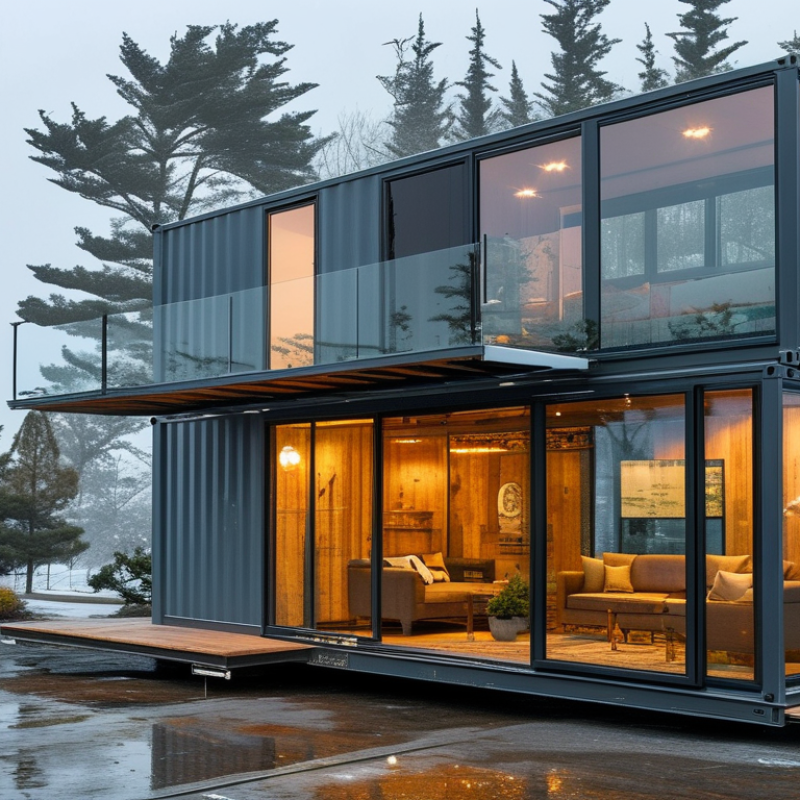
Buying a container house starts with a clear picture of daily life, not attractive exterior photos. Measure sleeping, cooking, storage, and circulation zones before contacting a supplier. A 40-foot unit may sound spacious, yet insulation and wall finishes reduce usable width. Sketch furniture on paper. Leave room for doors, ventilation, and maintenance access. Your site also matters. Record driveway width, ground slope, sunlight, drainage, and utility connection points. A crane may need firm access and overhead clearance.
Set three budgets: purchase, site preparation, and long-term operation. Include transport, foundation work, insulation upgrades, windows, plumbing, electrical work, permits, and professional inspections. Keep a contingency reserve of at least 10 percent. Costs often appear after delivery. Ask for itemized specifications, material standards, structural calculations, and warranty terms. An independent engineer or building surveyor can check load paths, moisture protection, fire safety, and local requirements. Their fee is usually cheaper than correcting hidden defects. Do not trust vague promises.
Write requirements in measurable terms. State the number of occupants, bedroom count, ceiling height, climate, energy goals, and expected lifespan. For cold regions, request tested insulation performance, not merely “winter-ready.” For humid sites, examine vapor control, corrosion protection, and ventilation rates. I once underestimated storage and regretted losing an entire wall to cabinets. That mistake changed my planning method. Mark every object, including bicycles, cleaning tools, and water tanks. Review the plan with someone who will actually live there. Convenience is easy to overlook on paper. Ensure local professionals verify approvals before construction begins.
Before buying a container house, check local building codes, permits, and land restrictions. A container may look movable, but authorities can classify it as a permanent dwelling. Contact the local planning office before paying a deposit. Ask for written information about zoning, setbacks, height limits, and permitted residential use. Check the land title too. Easements, protected areas, or missing legal access can stop construction. A beautiful rural plot may still be unsuitable. That detail matters.
Permit requirements differ between regions and cities. You may need planning approval, structural drawings, foundation approval, utility permissions, and final inspections. Request the current checklist directly from the responsible authority. Do not rely only on a seller’s explanation. A licensed local architect or engineer can explain whether the container needs special reinforcement. Ask about wind, snow, seismic, flood, and fire requirements. Foundation design is especially important on sloped or weak ground. Small mistakes become expensive quickly.
Keep copies of permits, land documents, surveys, and official emails. If documents are not in your language, use a qualified translator. Rules can change during a project. Recheck requirements before delivery and before installation. I would also keep extra time and money for unexpected reviews. The uncomfortable lesson is that an attractive container price may hide approval costs. Some buyers focus on the steel box and forget the land beneath it. Local advice is not optional; it is part of the purchase.
10 Container House Buying Tips for Global Buyers
Evaluate the container’s age, previous use, and repair history before discussing price. Inspect corner posts, roof seams, floor beams, and welding points for rust, cracks, or distortion. A fresh coat of paint can hide serious corrosion. Ask for dated inspection photos, not only polished marketing images. Experienced inspectors also check whether doors close evenly and floors remain level.
Tip: Hire an independent structural engineer familiar with local wind, snow, seismic, and building requirements. Confirm the steel grade, modification records, insulation thickness, and foundation design. Never assume a standard container remains equally strong after cutting large openings. Reinforced frames, certified welds, and clear load paths matter. No inspection is perfect. Hidden moisture may still appear after installation.
Design choices should support daily living, not only attractive drawings. Compare window placement, ventilation, thermal insulation, plumbing routes, and emergency access. In humid climates, poor vapor control can create condensation behind wall panels. In cold regions, weak insulation may cause frozen pipes and uncomfortable rooms. Request structural calculations for stacked or connected units. Local approval requirements also vary widely, so verify them with qualified professionals before committing. A lower purchase price may become expensive after transport, foundation work, electrical upgrades, and unexpected repairs.
Standard container dimensions help global buyers evaluate usable space, design flexibility, transport compatibility, and structural planning before purchase. Measurements below are nominal external dimensions; actual dimensions may vary slightly by manufacturer and construction tolerance.
Buying checklist: verify corrosion and frame condition, confirm the container grade and inspection records, review insulation and opening modifications, check local building-code requirements, and require structural calculations for doors, windows, roof loads, stacking, and foundation connections.
10 Container House Buying Tips for Global Buyers
Compare Suppliers, Prices, Contracts, and Delivery Arrangements
Buying a container house requires more than comparing online prices. Tip 1: Request drawings, steel grades, insulation thickness, and tested load details. Tip 2: Ask for factory inspection photos, but do not treat photos as proof. A third-party inspection is safer. McKinsey’s modular construction report suggests modular methods may cut costs by up to 20% and schedules by 20–50%. However, container housing can perform differently. Cheap quotes often exclude foundations, plumbing, permits, or interior finishing.
Tip 3: Compare identical specifications in a supplier matrix. Record floor area, windows, wiring, appliances, packaging, and warranty terms. Tip 4: Request at least three itemized quotations. Tip 5: Confirm whether prices include export packing, port charges, insurance, and inland delivery. UNCTAD reports that over 80% of global merchandise trade moves by sea, so shipping delays and port handling remain practical risks. Tip 6: Choose delivery terms carefully. Clarify who pays after the container leaves the port.
Tip 7: Use a written contract with drawings attached. Include payment stages, inspection rights, defect remedies, and delay procedures. Tip 8: Check local building codes with an independent engineer before ordering. Tip 9: Confirm customs documents and product certificates early. The World Bank’s 2023 Logistics Performance Index shows major differences in customs efficiency and shipment reliability between countries. Tip 10: Keep a contingency budget for cranes, foundations, and local connections. I once underestimated site access; a narrow road changed the delivery plan and added real cost. Small details matter more than glossy renders.
Inspect the finished house in daylight, not only through drawings. Check welds, corner posts, roof seams, door frames, and floor edges for rust, distortion, or trapped water. Look closely. A small blister under paint may signal deeper corrosion. The NACE IMPACT study estimated global corrosion costs at 3.4% of worldwide GDP, showing why surface protection deserves serious attention. Ask for coating records, steel treatment details, insulation specifications, and moisture-control plans. Do not accept vague answers. Photographs are useful, but an independent surveyor should verify hidden areas, electrical circuits, plumbing joints, ventilation, and fire safety.
Long-term maintenance should be calculated before purchase. The IEA reports that buildings consume about 30% of global final energy and create roughly 26% of energy-related emissions. Poor insulation, leaking windows, and weak ventilation can make a compact container home expensive to operate. Inspect roof drainage after heavy rain, then repeat the check each season. Clean gutters, reseal penetrations, and examine bathroom corners for mold or condensation. Plan repainting before exposed steel appears. Reserve money for pumps, heaters, sealants, and replacement insulation. The exact schedule depends on climate and workmanship. That part is often underestimated. A realistic maintenance file should include dates, photographs, product specifications, and repair costs. Reconsider the design after the first wet season; real weather may reveal assumptions that looked sound on paper.
| Tip | Inspection Dimension | What to Check in the Finished House | Documents or Evidence to Request | Long-Term Maintenance Plan | Risk Priority |
|---|---|---|---|---|---|
| 1 | Structural condition |
|
Final inspection report, structural calculations where required, repair records, and photographs taken before interior finishes were installed. | Carry out a visual structural inspection at least annually and after severe storms, earthquakes, flooding, or relocation. | High |
| 2 | Corrosion protection |
|
Coating specification, surface-preparation records, paint-system details, and confirmation of corrosion treatment in concealed areas. | Wash exposed metal in salty environments regularly, remove early rust promptly, and renew protective coatings when deterioration appears. | High |
| 3 | Roof and weatherproofing |
|
Waterproofing details, roof-product information, drainage layout, and results of a controlled water test where appropriate. | Clear gutters and roof drains at least twice a year and inspect sealants after extreme weather or visible water entry. | High |
| 4 | Insulation and condensation control |
|
Insulation type and thickness, thermal calculations where applicable, ventilation design, and photographs of concealed insulation before closure. | Keep ventilation paths clear, operate exhaust fans during cooking and bathing, and investigate recurring condensation immediately. | High |
| 5 | Electrical installation |
|
Electrical test certificate, wiring diagram, circuit schedule, grounding results, and confirmation of compliance with local electrical rules. | Test protective devices according to local requirements, keep panels dry and accessible, and use a qualified electrician for modifications. | High |
| 6 | Plumbing and drainage |
|
Plumbing layout, pressure-test record, water-heater specifications, drainage plan, and instructions for winterizing if needed. | Inspect exposed joints every six months, clean traps when necessary, protect pipes from freezing, and replace failed seals promptly. | High |
| 7 | Doors, windows, and air sealing |
|
Window and door schedules, glass specifications, installation details, hardware instructions, and warranty terms. | Clean tracks, lubricate hardware, inspect seals annually, and replace cracked or permanently compressed weather strips. | Medium |
| 8 | Heating, cooling, and ventilation |
|
Equipment manuals, commissioning record, energy rating where applicable, filter sizes, and service-access requirements. | Clean or replace filters as specified by the equipment maker, inspect condensate lines, and schedule professional servicing at least annually. | High |
| 9 | Fire and life safety |
|
Safety-equipment list, installation records, local approval documents, emergency shut-off locations, and evacuation information. | Test alarms monthly, replace batteries as required, check extinguishers periodically, and keep escape routes clear at all times. | High |
| 10 | Handover and maintenance records |
|
As-built drawings, completion approvals, inspection certificates, maintenance schedule, spare-parts list, and written defect-resolution deadlines. | Maintain a digital log of inspections, repairs, warranties, utility changes, and replacement dates for major equipment. | Medium |
| Cookie | Duration | Description |
|---|---|---|
| cookielawinfo-checkbox-analytics | 11 months | This cookie is set by GDPR Cookie Consent plugin. The cookie is used to store the user consent for the cookies in the category "Analytics". |
| cookielawinfo-checkbox-functional | 11 months | The cookie is set by GDPR cookie consent to record the user consent for the cookies in the category "Functional". |
| cookielawinfo-checkbox-necessary | 11 months | This cookie is set by GDPR Cookie Consent plugin. The cookies is used to store the user consent for the cookies in the category "Necessary". |
| cookielawinfo-checkbox-others | 11 months | This cookie is set by GDPR Cookie Consent plugin. The cookie is used to store the user consent for the cookies in the category "Other. |
| cookielawinfo-checkbox-performance | 11 months | This cookie is set by GDPR Cookie Consent plugin. The cookie is used to store the user consent for the cookies in the category "Performance". |
| viewed_cookie_policy | 11 months | The cookie is set by the GDPR Cookie Consent plugin and is used to store whether or not user has consented to the use of cookies. It does not store any personal data. |