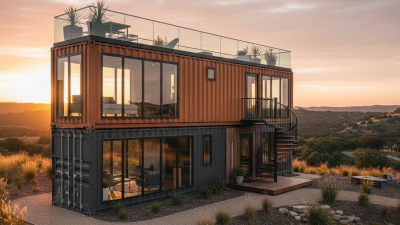
10 Essential Tips for Creating Stunning Modular Garden Rooms
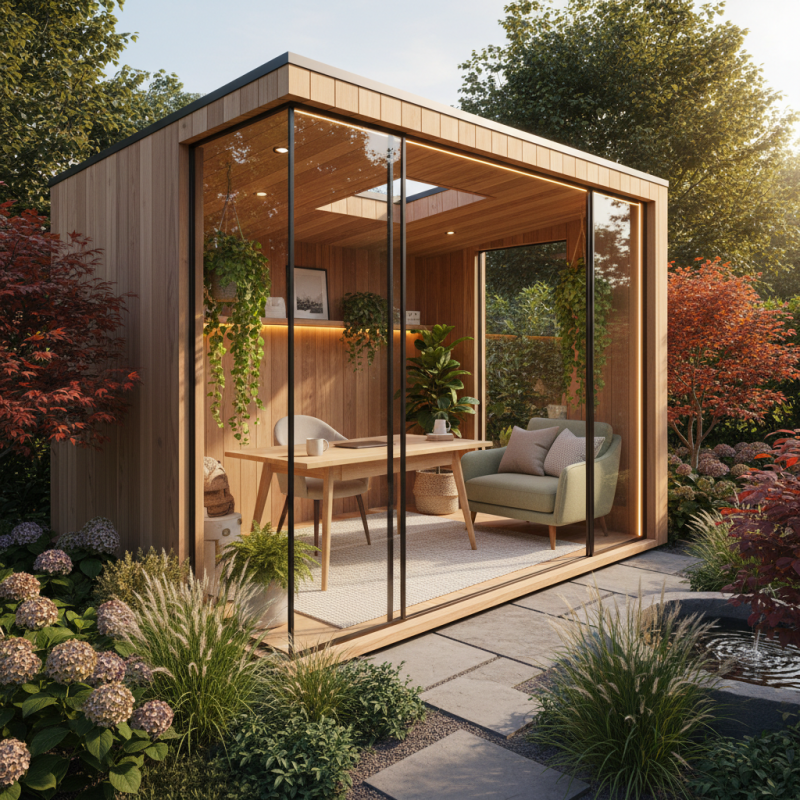
Creating stunning modular garden rooms can transform any outdoor space. These rooms offer versatility and beauty. They serve as home offices, studios, or retreats. Imagine a cozy nook surrounded by greenery, providing a perfect escape.
However, designing these spaces can be challenging. You need to consider layout, materials, and functionality. Sometimes, the vision in your head doesn't match reality. You'll need to be flexible and open to adjustments. Embrace the process of trial and error along the way.
Attention to detail is crucial. Lighting, colors, and textures can make or break the atmosphere. Modular garden rooms should reflect your personality. Do not overlook landscaping; it enhances the overall appeal. Incorporating personal touches creates a unique feeling of belonging. As you embark on this journey, remember that perfection is not the goal—enjoy the discovery and creativity.
Understanding Modular Garden Rooms: Key Characteristics and Benefits
Modular garden rooms are becoming increasingly popular. They offer flexibility and style for various needs. These rooms can serve as home offices, art studios, or even guest accommodations. One key characteristic is their prefabricated nature, which allows for quicker installation. Many people appreciate how they can blend into any garden theme or landscape.
Another benefit is customization. Homeowners can choose sizes, layouts, and finishes. Some might find the choices overwhelming, which can lead to indecision. It's essential to plan and evaluate your needs. A well-designed room maximizes space and enhances functionality. However, some might overlook factors like insulation and lighting, which are crucial for comfort.
The construction process also has its challenges. While modular designs simplify building, the site preparation can be complex. Ground leveling and access can cause delays. It's vital to think ahead and account for these possible issues. Overall, understanding these key characteristics helps in making informed decisions, transforming your space into a stunning oasis.
Modular Garden Rooms Benefits
The following chart illustrates the key benefits of modular garden rooms based on research findings. These benefits highlight the reasons why homeowners are increasingly opting for modular designs in their outdoor spaces.
Selecting the Right Materials: Durability and Sustainability in Design
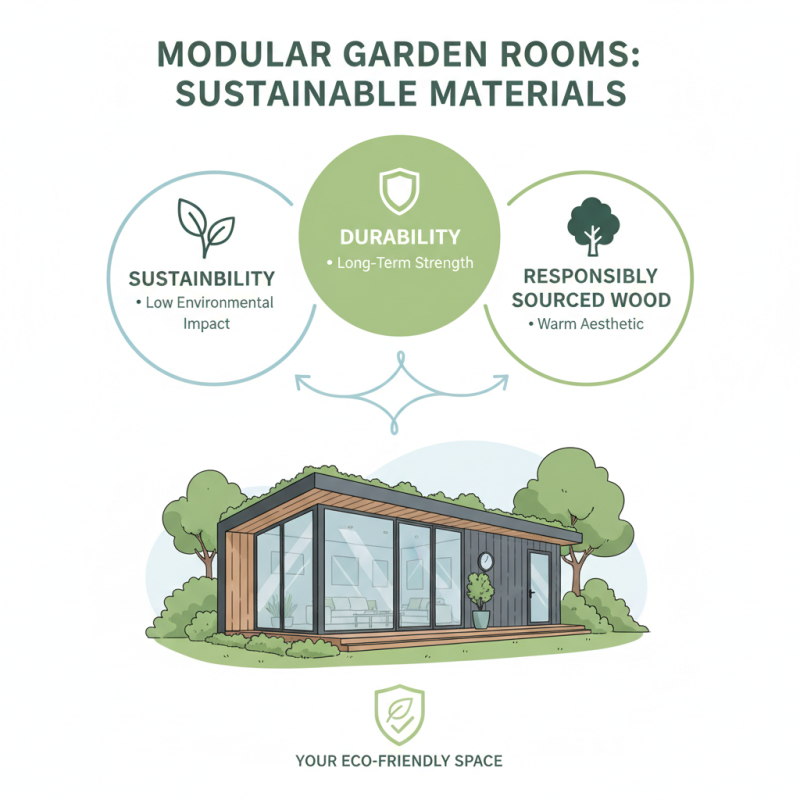
When creating stunning modular garden rooms, selecting the right materials is crucial. Durability and sustainability should be your main focus. Using sustainable materials ensures that your garden room has a low environmental impact. It also enhances its long-term durability. Opt for wood sourced from responsibly managed forests. This choice not only supports the environment but also adds a warm aesthetic to your space.
Consider recycled materials as well. They can often be more affordable and equally attractive. For example, reclaimed wood or metal can give your garden room a unique character. But, ensure these materials are treated properly to withstand the elements. Regular maintenance might be necessary to keep them looking their best.
Another tip is insulation. Good insulation materials will provide comfort year-round. Yet, it’s essential to choose eco-friendly options. While they may be slightly more expensive upfront, they save you money on energy bills over time. Remember, striking a balance between cost and eco-friendliness can be challenging, but the benefits are worth it.
Optimal Design Techniques for Space Efficiency and Aesthetic Appeal
Creating a modular garden room requires careful attention to both aesthetics and space efficiency. One essential tip is to prioritize natural light. Large windows can brighten the interior, making it feel more spacious. Consider using skylights for an added touch of elegance. This can improve your room's overall appeal.
Another important aspect is choosing multifunctional furniture. A foldable desk or a sofa bed can significantly save space. They are practical and stylish. Also, incorporate storage solutions in unexpected places. For example, benches with hidden compartments can offer seating while keeping your space tidy.
Selecting a cohesive color palette can enhance the visual connection throughout the room. Soft, neutral tones help maintain an open feel. However, bold accents can add personality. Reflect on what colors inspire you. Balancing these elements can be tricky. Sometimes, less is more, but experimenting with splashes of color can yield surprising results.
Incorporating Technology: Modern Amenities for Enhanced Comfort
Incorporating modern technology into modular garden rooms can significantly enhance comfort and usability. Research indicates that homes equipped with smart technology can increase energy efficiency by up to 30%. This means lower bills and a smaller carbon footprint. Integrated heating and cooling systems allow for tailored climates, ensuring the perfect temperature year-round. Choosing energy-efficient windows can further enhance thermal performance, making the space more inviting.
Smart lighting systems also contribute to a cozy atmosphere. For instance, automated lighting can adjust based on the time of day, creating a dynamic environment. Voice-activated assistants provide effortless control over music, temperature, and even security systems. A well-designed garden room could double as a workspace or relaxation area, promoting well-being.
However, integrating such technology requires careful planning. Improper placement of devices may disrupt the intended functionality. Addressing user needs is crucial for maximizing these modern amenities.
Regulatory Considerations: Permits and Building Codes for Garden Structures
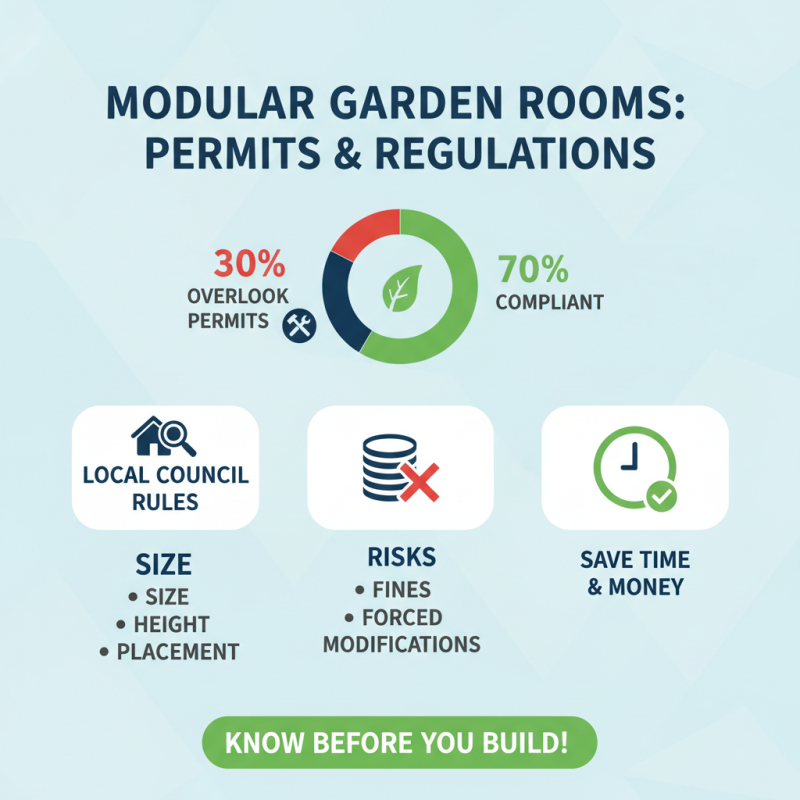
When considering a modular garden room, understanding regulatory frameworks is crucial. Research shows that about 30% of homeowners overlook permits when building outdoor structures. This oversight can lead to fines and forced modifications down the line. Each local council has its own rules regarding garden buildings, including size, height, and placement on the property. Familiarizing yourself with these regulations can save you time and money.
Most jurisdictions require planning permission if your garden structure exceeds a certain size. For example, structures larger than 2.5 meters in height are often subjected to restrictions. There's also a need to ensure that the building does not encroach on neighboring properties. Homeowners frequently underestimate their neighbor's rights. Always check local zoning laws before starting your project to avoid conflicts.
It's vital to consult with local authorities or professionals. Some builders suggest getting a pre-application advice session from the local council to clarify any uncertainties. While the thought of navigating bureaucracy can be daunting, it is a necessary step. Neglecting to address these regulatory concerns could lead to a completed project being torn down or significantly modified, creating frustration and wasted resources.