Top Luxury Modular Homes That Redefine Modern Living?
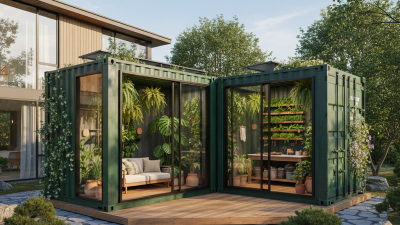
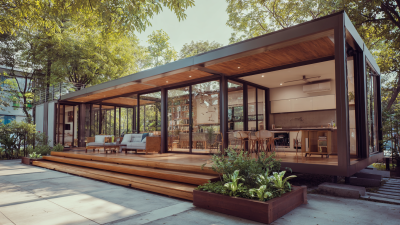
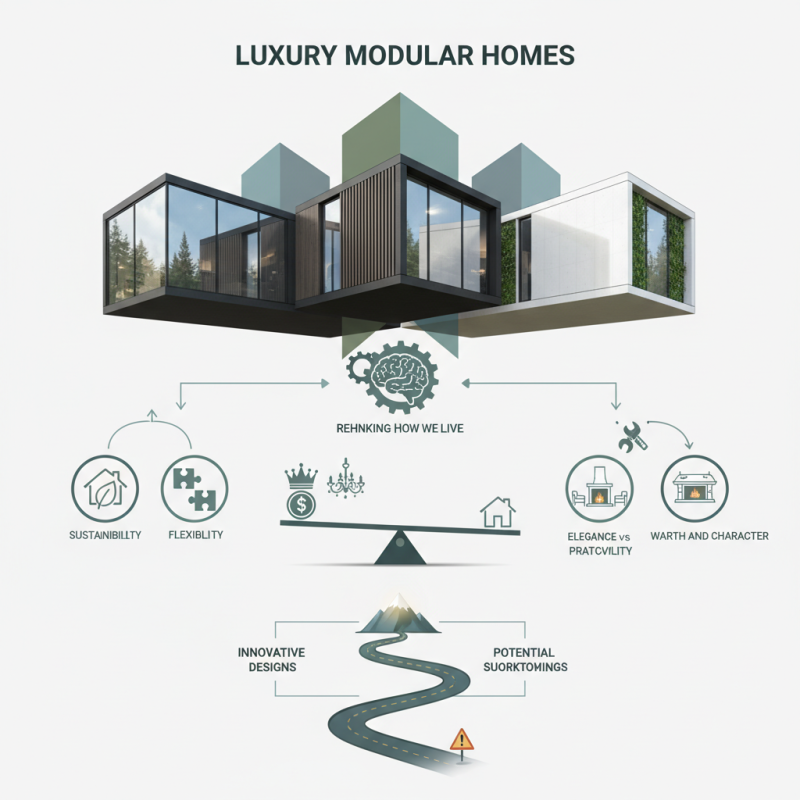
In recent years, luxury modular homes have emerged as a game changer in the architecture world. They blend high-end design with practicality, offering unique living spaces. This new approach to modern living is not just about aesthetics; it's about rethinking how we live altogether.
These homes offer flexibility and sustainability, catering to diverse lifestyles. Imagine a sleek, modern facade combined with eco-friendly materials. Each unit can be customized to fit personal tastes. However, the rapid rise of these homes also raises questions. Can luxury modular homes truly meet the demands of elegance? Are they able to provide the same warmth and character found in traditional homes?
As we explore the top luxury modular homes, we dive into innovative designs that challenge conventional notions. However, we must also reflect on potential shortcomings. Luxury comes with a price, and not all innovations are accessible. Balancing luxury with affordability is a challenge that lies ahead.
Top Luxury Modular Homes Trends Shaping Modern Architecture
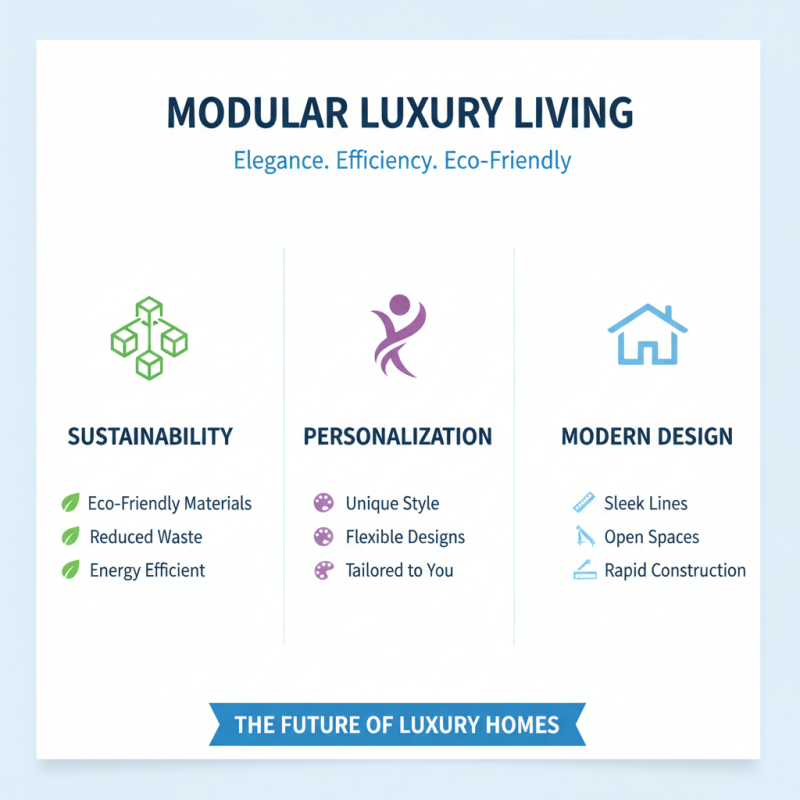
Modular homes are changing the way we think about luxury living. They combine elegance with efficiency. This architectural trend prioritizes sustainability and personalization. Each home can reflect the owner’s unique style. Think of sleek lines, open spaces, and eco-friendly materials.
Tips for choosing a modular home include focusing on design. Look for features like large windows and natural light. These enhance the ambiance of the living space. Ensure that the layout fits your lifestyle. Spaces should flow seamlessly from one to another. Also, consider energy-efficient systems. They not only save money but also reduce your carbon footprint.
The excitement of modular homes is in their flexibility. You can customize elements, from flooring to exterior finishes. However, it’s vital to balance personal taste with market trends. Some features may stand out now but could feel outdated in a few years. Always think ahead while making choices.
Materials and Technologies Revolutionizing Luxury Modular Home Design
Luxury modular homes are shaping modern living in innovative ways. Cutting-edge materials like recycled steel and sustainable timber are becoming common. These materials enhance durability while reducing environmental impact. Steel offers strength and flexibility, ideal for unique designs. Timber adds warmth and a natural aesthetic, connecting the home to its surroundings.
Technologies like 3D printing are revolutionizing construction processes. This technique allows for rapid prototyping and customization, leading to less waste. Prefabricated components ensure precision and speed. Yet, this advancement raises questions about craftsmanship and personalization. Do these homes feel less unique? The balance between efficiency and individuality is challenging.
Smart home technologies elevate luxury modular houses. Automated systems control lighting, security, and climate. However, this reliance on tech can lead to vulnerabilities. Connectivity issues might compromise security. Homeowners must consider whether convenience outweighs potential risks. Reflecting on these changes allows us to appreciate the evolving landscape of modern luxury living.
Top Luxury Modular Homes That Redefine Modern Living
| Feature |
Description |
Materials Used |
Technologies |
| Eco-Friendly Design |
Designed to minimize environmental impact, featuring sustainable practices. |
Recycled materials, sustainably sourced wood. |
Solar panels, green roofs. |
| Smart Home Integration |
Integrated technology for automated home management. |
High-quality insulation, soundproof materials. |
IoT devices, home automation systems. |
| Flexible Interiors |
Spaces that can be reconfigured for different needs. |
Lightweight composites, modular partitions. |
Modular furniture systems. |
| Luxury Finishes |
High-end materials for a premium feel. |
Marble, high-grade wood, designer fixtures. |
Smart lighting, advanced HVAC systems. |
| Energy Efficiency |
Designed to use less energy and promote sustainability. |
Energy-efficient windows, insulated panels. |
Energy management systems. |
Sustainability Practices in Luxury Modular Home Development
Luxury modular homes are gaining popularity. They offer elegance and comfort alongside sustainable living practices. The focus is on reducing environmental impact while providing a modern lifestyle.
Many developers are incorporating eco-friendly materials. Options such as recycled wood and energy-efficient windows are common. Solar panels are also becoming standard. These features reduce utility costs and carbon footprints. Building in smaller sections can cut waste significantly.
Tips: Choose designs that maximize natural light. This can minimize the need for artificial lighting. Consider using renewable energy sources for heating and cooling. It’s a smart way to enhance sustainability.
However, not all luxury modular homes are created equal. Some still use traditional building methods that may harm the environment. It’s crucial to research the practices of developers. Understand their commitment to sustainability. Look for transparency in sourcing materials. Quality and sustainability should go hand in hand.
Cost Analysis: Modular vs. Traditional Luxury Home Construction
When considering luxury home construction, the cost analysis between modular and traditional methods is vital.
Modular homes are built in sections, greatly reducing labor costs and construction time. Traditional luxury homes often feature high-quality materials but can take much longer to complete and may incur more unexpected expenses.
One major cost factor is the speed of construction. Modular homes can be assembled in weeks, cutting down on labor costs. However, potential buyers should consider the quality of materials used.
Sometimes, shortcuts are taken to speed up the process. It’s essential to find a balance between speed and quality.
Tips: Focus on sustainability. Choose energy-efficient materials that save money in the long run. Always request a detailed breakdown of costs to avoid surprises. Inspect the construction methods employed to ensure they meet your expectations for luxury living. Don’t rush the decision-making process; reflect on your long-term luxury needs.
Future Predictions for the Modular Home Market by 2030
The modular home market is on the brink of a revolution. By 2030, we might see more luxurious modular homes that challenge traditional living spaces. These homes blend high-end design with sustainability. They utilize eco-friendly materials and smart technology. Imagine open spaces filled with natural light. Picture energy-efficient systems seamlessly integrated into elegant designs.
As preferences shift, buyers may seek more customization options. They want homes that reflect their unique taste. The challenge lies in balancing luxury with affordability. Not everyone can access these innovative designs. This raises questions about inclusivity in the housing market.
Communities may evolve to embrace modular living. Urban areas might incorporate these homes in their landscape. However, planners face hurdles like zoning laws and public opinion. The path forward requires collaboration and creativity. Modular homes can redefine modern living, but the journey has imperfections. It invites reflection on what we truly value in our homes.
Top Luxury Modular Homes That Redefine Modern Living