What is a Modular Home and How Does It Differ from Traditional Housing?
In recent years, modular homes have gained attention as a viable alternative to traditional housing. These homes are built in sections, or modules, in a factory setting and then transported to the site for assembly. According to David McKeever, an industry expert in modular construction, "Modular homes offer speed and efficiency, transforming how we think about building." This statement reflects a growing trend in housing innovation.
Many people are curious about what sets modular homes apart from conventional houses. Unlike traditional homes, which are built on-site, modular homes are constructed in controlled environments, allowing for better quality control. This method not only speeds up the construction process but also reduces waste. Yet, some still hesitate to embrace modular living. This hesitance often stems from misconceptions about quality and design.
Despite their benefits, modular homes are not without their challenges. Some may find the design options limited compared to custom-built homes. Skepticism about resale value can also impact buyers' perceptions. As the industry evolves, it will be essential to continue addressing these concerns and showcase the advantages of modular homes.
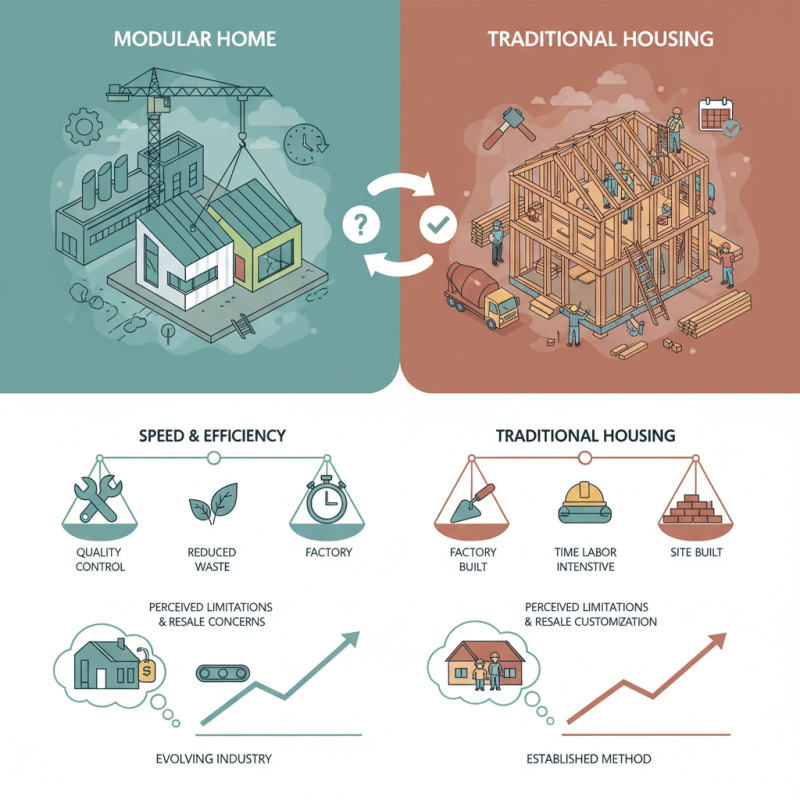
What is a Modular Home? Definition and Key Characteristics
Modular homes are a unique housing option that differ significantly from traditional homes. They are built in sections, or modules, in a factory setting. After fabrication, these sections are transported to the building site and assembled. This process allows for greater efficiency during construction, which can lead to lower costs. The design flexibility is also appealing. Homeowners can customize their modular homes to fit their style.
One key characteristic of modular homes is their speed of construction. A traditional home can take months to build, while a modular home might take only weeks. However, some people worry about the quality of these homes. While they are built to the same codes as traditional houses, the perception of quality is sometimes lacking. There’s a misconception that modular homes are inferior or lack durability.
Moreover, modular homes can face zoning challenges. Some areas are resistant to new housing types. This can create obstacles for potential homeowners. Yet, the benefits of energy efficiency and modern design can make them an attractive choice. Each home presents its own story and character. It’s essential for buyers to do thorough research and reflect on their choices before making a decision.
Comparative Analysis of Modular Homes and Traditional Homes
This chart compares the key characteristics of modular homes and traditional houses based on five criteria: cost, construction time, energy efficiency, customization, and mobility. The ratings range from 0 to 100, reflecting the performance of each housing type in those areas.
The Construction Process of Modular Homes: A Step-by-Step Overview
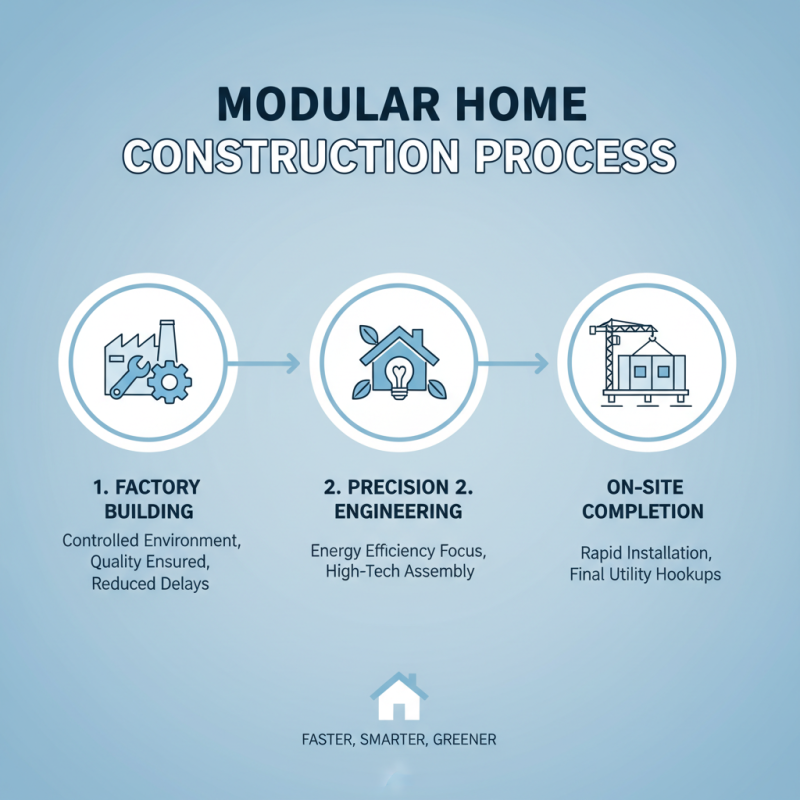
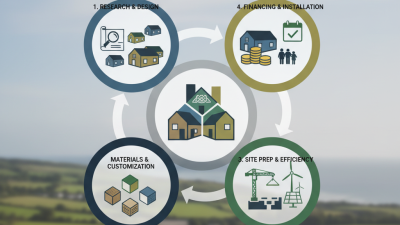
The construction process of modular homes is fascinating. It begins in a factory, where sections are built under controlled conditions. This ensures quality and reduces delays. Each module is constructed with precision, focusing on energy efficiency.
Once the modules are complete, they are transported to the building site. This requires careful planning and logistics. The modules arrive ready for assembly but not fully finished. Crews work to connect utilities and ensure everything aligns properly. It can be a challenge to deal with weather and site conditions.
After assembly, finishing touches are applied. This includes siding, roofing, and interior details. The timeline is often shorter than traditional homes, but unexpected issues can arise. As a result, communication with builders is essential. Homeowners must stay engaged throughout the process. This hands-on involvement can lead to a more satisfactory outcome.
Comparing Modular Homes and Traditional Homes: Cost and Time Efficiency
Modular homes have gained attention for their cost and time efficiency. According to a 2023 report by the National Association of Home Builders, modular homes can be up to 20% cheaper than traditional homes. This cost savings often stems from reduced labor and material waste during construction. In addition, a modular home can be built in about half the time compared to traditional housing. Construction timelines for modular homes typically range from several weeks to a few months, depending on customization.
Tips: Consider basic models. They can save you even more money and time. Focus on essential features that matter most.
While these advantages stand out, some challenges exist. Modular homes might not offer the same level of customization as traditional builds. Homebuyers who seek unique designs may need to compromise. Furthermore, financing can be a concern, as lenders sometimes view modular homes differently than site-built homes.
Tips: Research financing options. Ensure you understand your loan terms if you decide to go modular. Knowledge is power in this market.
Sustainability in Modular Housing: Material Use and Energy Efficiency
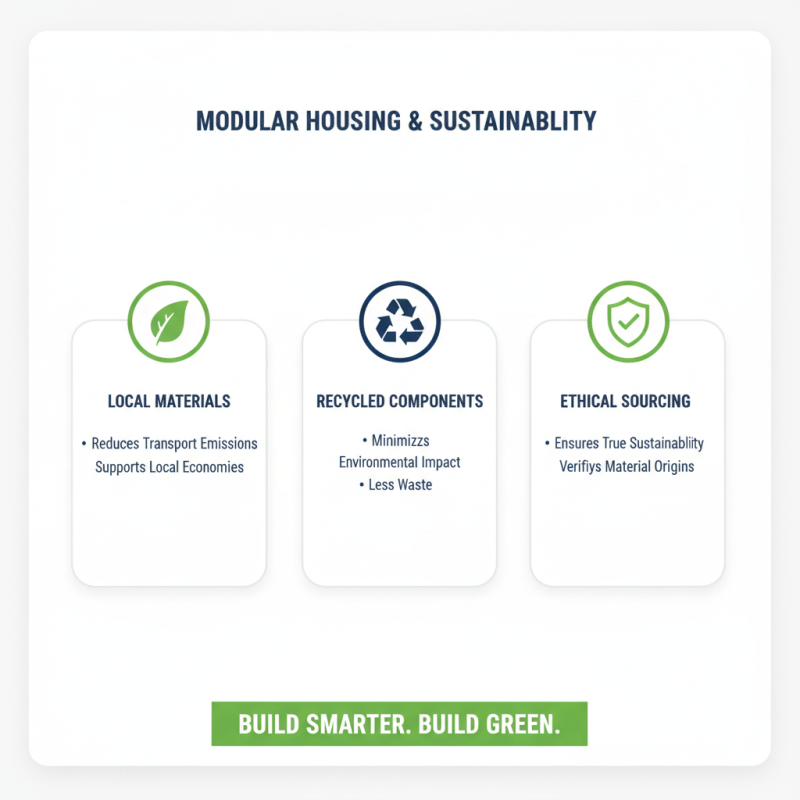
Modular housing presents a unique approach to construction, focusing on sustainability. The materials used in these homes are often sourced locally. This not only reduces transportation emissions but also supports local economies. Prefabricated components can incorporate recycled materials, further minimizing environmental impact. However, it’s essential to evaluate the sources of these materials to ensure they are truly sustainable.
Energy efficiency is another cornerstone of modular homes. Many designs prioritize natural lighting and ventilation. Large windows, for example, can lessen the need for artificial lighting. Insulation standards in modular homes often exceed those in traditional houses. This means residents can enjoy lower energy bills. However, not all modular homes meet these high standards. Buyers should research energy ratings thoroughly before making a decision.
Despite their many benefits, there are challenges. Modular homes might face zoning restrictions in certain areas. Some people may still associate them with lower quality. Achieving widespread acceptance can be difficult. Homebuyers must see past the stereotypes and recognize the potential for sustainable living. As society pushes for greener solutions, modular homes may play a key role in addressing housing needs.
Market Trends: The Growing Popularity of Modular Homes in the Housing Sector
The housing market is experiencing a shift. Modular homes are becoming increasingly popular. These homes are built off-site and assembled on location. Their growing appeal lies in affordability and efficiency. Many people are drawn to these unique structures. They often offer faster building times compared to traditional homes.
In recent years, the modular home market has expanded. Buyers appreciate the flexibility in design. Customization options attract various demographics. Families, retirees, and young professionals alike find them appealing. However, some may still harbor skepticism. Issues like financing and site preparation pose challenges.
People often wonder about the long-term value. Will modular homes retain their worth? The answer varies. Some may find they appreciate over time. Others might struggle with resale. While there are downsides, many are willing to explore modular living. This trend reflects changing attitudes in homeownership.
What is a Modular Home and How Does It Differ from Traditional Housing?
| Feature |
Modular Homes |
Traditional Homes |
| Construction Time |
Typically 3-6 months |
Typically 6-12 months |
| Cost Efficiency |
Generally lower costs due to factory assembly |
Higher costs influenced by labor and materials |
| Sustainability |
More efficient materials and waste management |
Variable, often more waste during construction |
| Customization |
Many options available for layouts and finishes |
Highly customizable but often with higher costs |
| Location Flexibility |
Can be built in various off-site locations |
Standard building codes and site requirements |
| Financing Options |
Similar to traditional homes |
Widely available financing options |