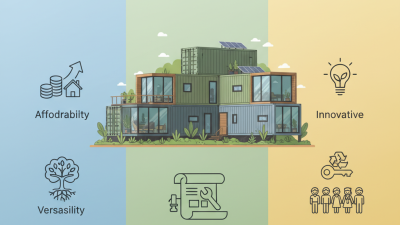
What is a Modular House and How Does It Work?
The modular house industry is evolving rapidly, with a significant shift towards sustainable construction. Industry reports indicate that modular homes can reduce building time by up to 50%. This is important as housing shortages become more pressing in urban areas.
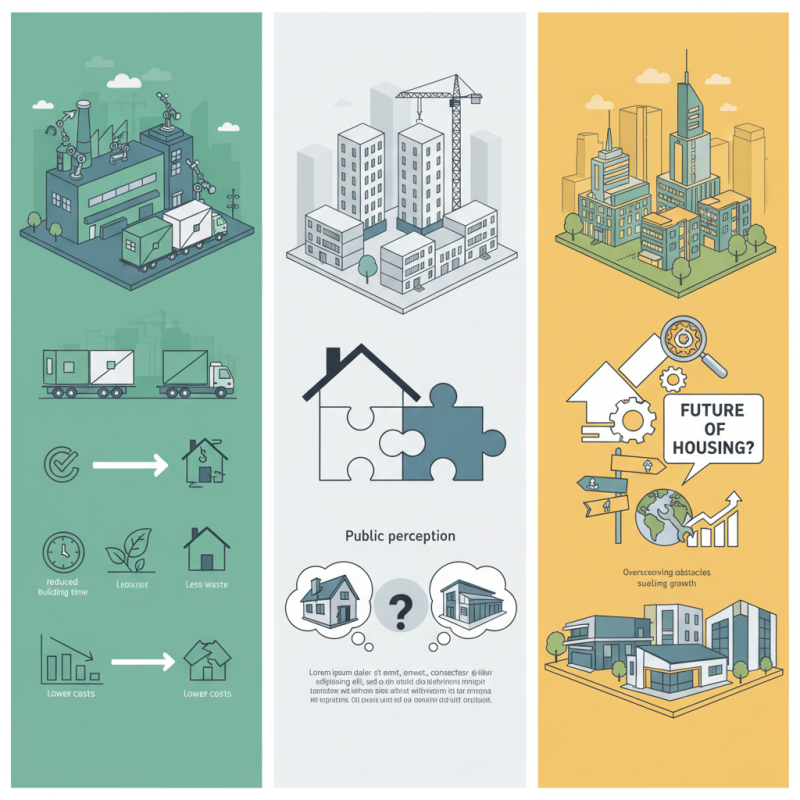
Modular houses are built in sections, or modules, in a factory setting. Each module is then transported to the home site for assembly. This process minimizes waste and can lead to lower overall costs. However, some challenges remain. For instance, not all local zoning laws accept modular homes, limiting their growth.
Additionally, there are concerns about the perception of modular housing. Many still equate it with low-quality construction. This misconception may hinder acceptance. As we explore what a modular house is and how it works, these factors deserve attention. The future of housing might depend on overcoming these obstacles.
Definition and Characteristics of Modular Houses
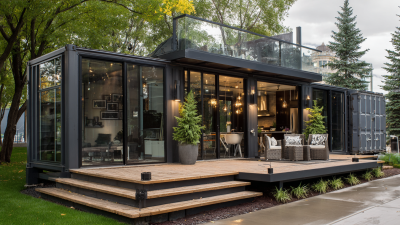
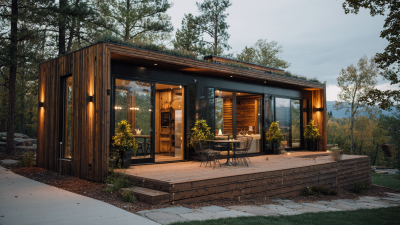
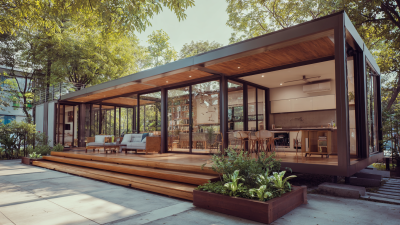
Modular houses are prefabricated structures built in sections or modules. These houses are constructed off-site in a controlled factory setting. Once completed, the modules are transported and assembled on the designated site. One key characteristic is their adaptability. Homeowners can easily expand or modify their homes over time.
According to a report by the Modular Building Institute, modular construction can be 30-50% faster than traditional building. This speed is appealing. However, some critics argue that quality control can vary. Inconsistencies in materials and assembly can lead to problems. It's vital to research and choose builders carefully.
Tips: When considering a modular house, check the builder’s reputation. Ask for samples of their previous work. Also, understand local zoning laws. These regulations can affect your plans. A thorough understanding of these factors can help prevent future setbacks.
The Modular Construction Process: Step-by-Step
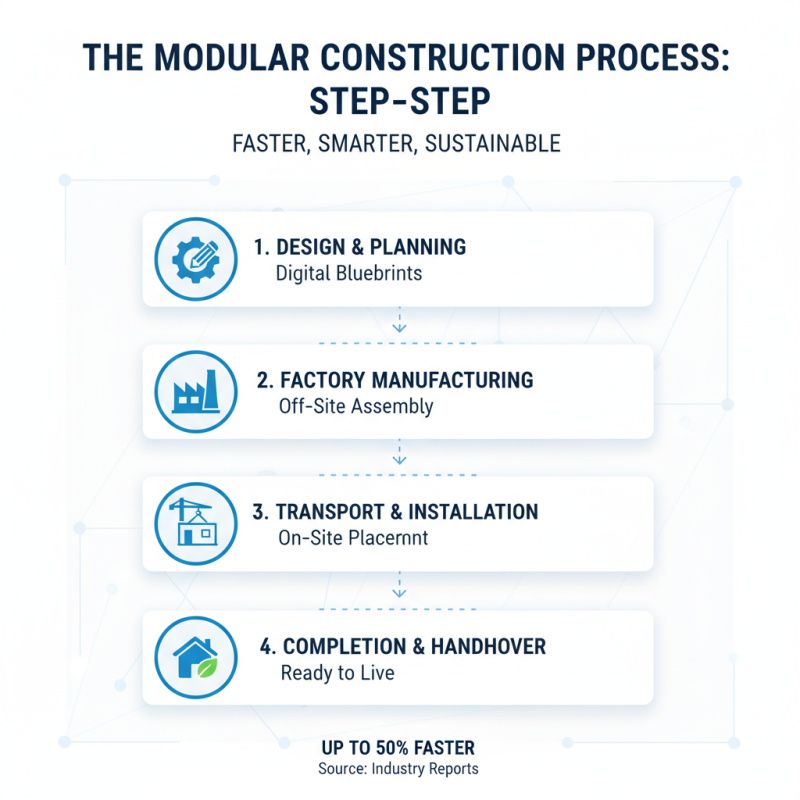
Modular construction significantly alters how we think about building homes. The process begins with design. Architects create detailed plans, often using digital modeling. This step ensures accuracy and efficiency. Once designs are finalized, manufacturing starts in a factory setting. Elements of the house, like walls and roofs, are assembled off-site. This method can reduce construction time by up to 50%, according to industry reports.
After fabrication, the modules are transported to the building site. Construction teams will then assemble the modules. This requires precise coordination. Weather conditions and transportation logistics can pose challenges. It’s crucial to have skilled workers on site to manage these issues effectively.
One notable aspect is quality control. Many modular manufacturers maintain rigorous standards. However, discrepancies can occur during transportation. Inspecting each module on arrival is essential. The entire process can feel rushed and chaotic at times. Ensuring a smooth assembly often requires quick adjustments and problem-solving on-site. Modular housing represents a blend of speed and complexity, inviting ongoing reflection on best practices.
Advantages of Modular Houses Compared to Traditional Homes
Modular houses are gaining popularity due to their unique advantages. One key benefit is the speed of construction. Unlike traditional homes that take months to build, modular homes can be completed in weeks. Each module is built in a factory, ensuring quality control. This also minimizes delays caused by weather conditions. The streamlined process allows for faster occupancy.
Another significant advantage is cost-effectiveness. Modular homes typically cost less per square foot compared to traditional builds. This affordability opens doors for more people to own homes. Additionally, energy efficiency is often higher. Many modular homes incorporate sustainable materials and techniques. As a result, homeowners can enjoy lower utility bills.
However, there are limitations to consider. Some people still view modular homes with skepticism. There’s a perception of lower quality, which doesn’t always reflect reality. Design options may be more limited compared to custom builds. This can deter buyers looking for unique features. Overall, while modular houses present clear benefits, they also come with challenges that require careful thought and consideration.
What is a Modular House and How Does It Work? - Advantages of Modular Houses Compared to Traditional Homes
| Feature |
Modular House |
Traditional House |
| Construction Time |
4 to 12 weeks |
6 to 12 months |
| Cost Efficiency |
Lower overall costs |
Higher construction costs |
| Customization Options |
Wide range of designs available |
Limited design flexibility |
| Environmental Impact |
Sustainable materials and practices |
Varies widely, often less sustainable |
| Mobility |
Can be relocated easily |
Permanent once built |
| Quality Control |
Factory-controlled assembly |
Site-based construction |
Sustainability and Environmental Impact of Modular Housing
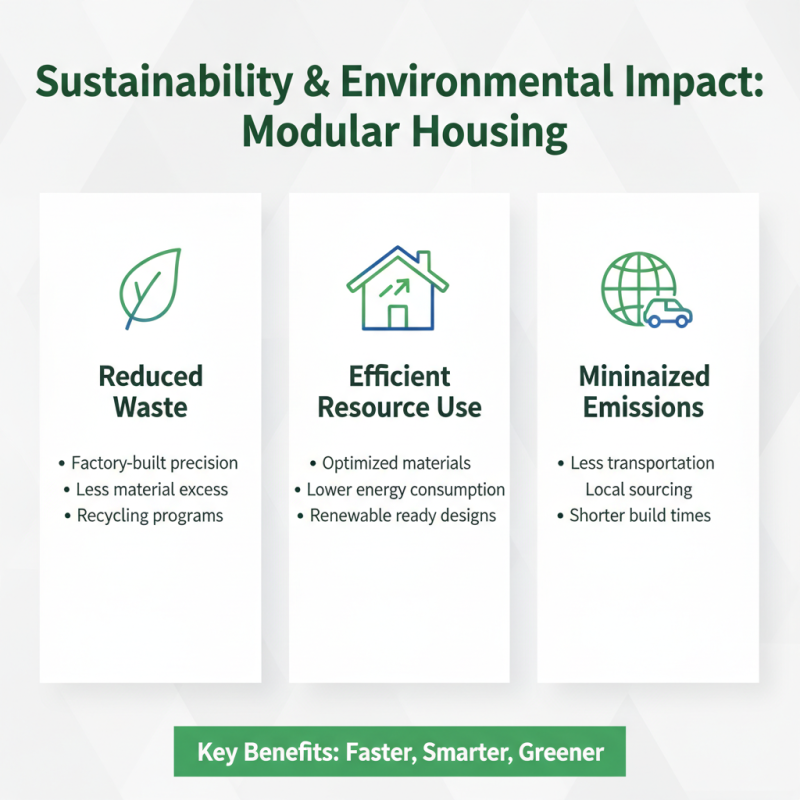
Modular housing is gaining attention for its sustainability. These homes are built in sections, or modules, at a factory. This practice reduces waste significantly compared to traditional construction. The modular approach allows for efficient resource use. Energy consumption is lower, and transportation emissions are minimized. Each module is designed to fit together seamlessly, ensuring minimal disruption to the environment.
The environmental impact of modular houses is often less than that of conventional homes. They require fewer materials and can be constructed faster. This means less time spent on-site and less disturbance to local ecosystems. A well-designed modular home can achieve high energy efficiency. This embraces renewable energy sources like solar panels, which further reduces reliance on non-renewable energy.
Tip: Choose materials that have a low environmental impact. Look for recycled or sustainable options. Sustainability should be a priority when designing any home.
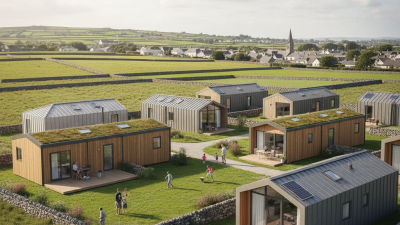
Another important aspect is community impact. Modular houses can be placed in areas that need development. However, consider the local environment before placement. These considerations can lead to both ecological and social challenges. Strive for balance in any project.
Common Misconceptions About Modular Houses
Modular houses face various misconceptions. Many believe they are inferior to traditional homes. However, the reality is quite different. A report from the Modular Building Institute states that modular construction can often result in 20% less waste during the building process. This is significant, considering the construction industry's notorious wastefulness.
Another common myth is that modular homes lack customization. In fact, modular houses can be fully customized. According to a study by the National Association of Home Builders, over 80% of homeowners who choose modular homes appreciate the ability to personalize their designs. This flexibility allows for unique and functional living spaces.
Some may think modular houses take longer to assemble. However, data shows that they can be constructed and delivered in weeks rather than months. A report indicates that modular homes can be ready for occupancy 30-50% faster than traditional homes. This speed is appealing, especially during housing shortages. Yet, some still cling to outdated views. It’s essential to reassess these beliefs and acknowledge the advantages of modern modular housing solutions.
Understanding Modular Homes: Key Features and Misconceptions