Top

10 Tips to Choose the Best Bracelet Fitness Tracker?

Choosing a Bracelet Fitness Tracker is no longer a simple matter of matching color and price. The market now includes compact bands, advanced health monitors, and subscription-based ecosystems. The 2024 ACSM Worldwide Survey of Fitness Trends placed wearable technology among the leading fitness trends worldwide. That finding reflects a clear shift: people want measurable feedback during ordinary routines, not only during formal workouts.

Market data supports this growing interest. IDC’s Worldwide Quarterly Wearable Device Tracker continues to monitor strong demand for wrist-worn devices across global markets. Grand View Research also reports continued expansion in the global wearable technology sector, driven by activity tracking, sleep monitoring, and connected health features. Yet growth does not guarantee better buying decisions. More sensors can create more confusion.

The best tracker depends on your daily behavior. A runner may need accurate GPS and stable heart-rate readings. An office worker may value comfort, silent alarms, and several days of battery life. A small display can feel elegant, but it may hide useful details. Some devices also estimate calories or sleep stages with impressive confidence, although these figures are not medical diagnoses. They can be useful signals, not unquestionable facts.

That distinction matters.

This guide presents ten practical tips for comparing a Bracelet Fitness Tracker. It considers sensor quality, app reliability, comfort, battery endurance, water resistance, privacy settings, and long-term value. The goal is not to find a perfect device. None is perfect. It is to identify the model whose limitations fit your routine, budget, and expectations.
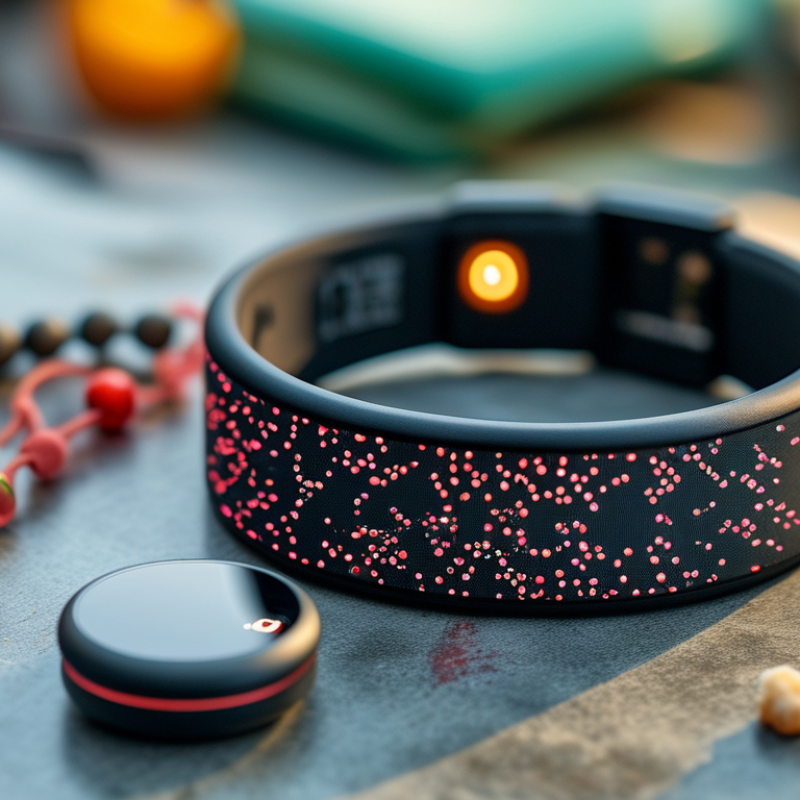
10 Tips to Choose the Best Bracelet Fitness Tracker?

Define Your Fitness Goals and Tracking Priorities

10 Tips to Choose the Best Bracelet Fitness Tracker

Define Your Fitness Goals and Tracking Priorities

A useful tracker begins with your goal, not its screen size or advertisement. The American College of Sports Medicine’s 2024 Worldwide Survey ranked wearable technology first among fitness trends. That popularity can mislead.

Tip 1: Write one measurable target, such as walking 8,000 steps daily. Tip 2: Choose heart-rate tracking for endurance training. Tip 3: Prioritize sleep data if recovery matters. Tip 4: Select workout modes matching your activities. Tip 5: Ignore features you will never check.

Your priorities should reflect real routines. The World Health Organization recommends 150–300 minutes of moderate activity weekly, plus muscle-strengthening activities on two days.

Tip 6: Check whether the tracker records these sessions clearly. Tip 7: Test its comfort during sweat, commuting, and sleep. Tip 8: Review battery life against your schedule. A device that needs frequent charging may create missing data. That defeats the purpose.

Professional judgment also requires skepticism. Consumer sensors can support habits, but they are not medical diagnostic tools.

Tip 9: Compare readings with your own symptoms and training notes. Tip 10: Examine privacy settings before syncing personal information.

I once focused too heavily on daily scores and ignored fatigue. That was a poor decision. Accuracy varies with skin contact, movement, and device placement. Read independent validation studies when available. The American College of Sports Medicine’s guidance supports gradual, goal-based activity planning, not blind dependence on numbers. Use the data as feedback, not permission to overtrain.

Compare Health Metrics, Sensors, and Tracking Accuracy

10 Tips to Choose the Best Bracelet Fitness Tracker

A useful fitness tracker should measure more than daily steps. Check whether it records heart rate, resting heart rate, sleep stages, blood oxygen, stress, and workout intensity. Choose sensors that match your routine. An optical heart-rate sensor helps during walks, but readings may weaken during weight training or rapid movement. A skin-temperature sensor can show changes, yet it should not replace medical testing.

Compare tracking accuracy under real conditions. Wear the bracelet firmly, about one finger above your wrist bone. Test its step count against a manual count on several walks. Compare heart-rate readings during rest, steady exercise, and recovery. GPS support improves outdoor distance records, while connected GPS may depend on your phone. Battery life also matters because frequent charging creates missing data.

Look for clear measurement intervals and transparent testing methods. A reliable device should explain how it estimates sleep or calories. Read independent reviews that include different wrist sizes and skin tones. Waterproof protection is valuable for swimming and sweaty workouts, but verify the stated rating. Comfort affects accuracy too; a loose strap can produce strange results. I once trusted a calorie estimate that seemed precise, but it was only an approximation. That experience changed my view. Fitness data guides decisions; it does not prove everything. Review trends over several weeks, and question sudden changes before reacting.

Evaluate Comfort, Fit, Durability, and Everyday Wearability

10 Tips to Choose the Best Bracelet Fitness Tracker

Check the strap material before buying. Soft silicone usually handles sweat well, while woven fabric may feel cooler. I once wore a rough strap during a long walk, and the redness lasted all evening. Measure your wrist carefully, then choose a tracker with several adjustment points. A loose fit can weaken heart-rate readings. A tight fit becomes irritating quickly. Test the clasp with one hand. It should close firmly without pinching skin.

Wearability matters beyond exercise. The tracker should slide under a shirt cuff and stay comfortable during sleep. Look for a lightweight design with smooth edges. Examine the screen in bright sunlight and dim rooms. Clear numbers reduce unnecessary wrist movement. Check charging time and battery endurance against your daily routine. A device that needs frequent charging may spend too much time on a desk. That is easy to overlook.

Durability requires practical evidence, not attractive promises. Review the water-resistance rating, but remember that water-resistant does not mean waterproof. Keep the tracker away from harsh chemicals and inspect the strap after repeated washing. Reliable sensors should be tested against your own routine, not trusted blindly. Compare readings during walking, resting, and cycling. Results can vary. Comfort, fit, and durability often involve compromise, so reconsider which weakness you can accept every day.

Check Battery Life, App Features, and Device Compatibility

10 Tips to Choose the Best Bracelet Fitness Tracker

Check Battery Life, App Features, and Device Compatibility

A useful fitness tracker should fit your daily routine, not interrupt it. Check the battery rating carefully. Manufacturers often measure battery life with limited features enabled. Real use may include notifications, continuous heart-rate readings, and frequent screen checks. These settings can drain power quickly. Choose a device that lasts several days between charges. Also inspect its charging method. A secure charger is more practical than a fragile cable. I once ignored this detail, and charging became annoying during travel.

The companion app deserves equal attention. Look for clear activity trends, sleep records, exercise logs, and adjustable goals. Useful apps explain measurements instead of displaying confusing numbers. Check whether you can export your data or delete it easily. Privacy controls should be visible, not hidden inside several menus. Read recent update notes and user feedback for evidence of reliable performance. Some features sound impressive but offer little value after the first week. That is worth questioning.

Compatibility can decide whether the tracker works at all. Confirm support for your phone’s operating system and version. Check Bluetooth requirements, tablet support, and account rules before buying. The app should sync consistently after exercise and overnight wear. Test notification permissions carefully, especially on phones with strict battery controls. If the tracker needs a newer phone, avoid assuming your current model will work. A return policy helps, but it cannot replace checking technical requirements. Small details matter.

10 Tips to Choose the Best Bracelet Fitness Tracker? - Check Battery Life, App Features, and Device Compatibility

No. Selection Factor What to Check Practical Benchmark Why It Matters
1 Battery Life Review the advertised battery duration under normal use, including continuous heart-rate monitoring and notifications. Aim for 5–14 days for a daily fitness bracelet. Frequent GPS use, bright displays, and automatic workouts can reduce runtime. Longer battery life means fewer charging interruptions and more consistent health and activity records.
2 Charging Time and Method Check the time required for a full charge and whether the tracker uses a secure magnetic or clip-on charging connection. A full charge in approximately 1–2 hours is convenient. A removable standard cable can make replacement easier. Fast, reliable charging is useful when the tracker needs to be worn continuously, especially during sleep.
3 Device Compatibility Confirm compatibility with the phone’s operating system, Bluetooth version, and required companion application. Choose a model that supports the current versions of iOS or Android used by the owner and receives regular application updates. A tracker may not sync correctly or provide full features if the phone or operating system is unsupported.
4 App Features and Data Access Look for trend charts, workout summaries, sleep reports, goal setting, data export, and integration with permitted health platforms. Prefer an app that displays daily, weekly, and monthly trends rather than only showing single-day totals. Clear long-term reports help users understand changes in activity, sleep, and recovery instead of relying on isolated readings.
5 Activity Tracking Check whether the device records steps, distance, calories, active minutes, floors, and automatic workout detection. Choose features that match the intended activities, such as walking, running, cycling, swimming, or indoor exercise. Tracking functions should reflect the user’s real routine; unnecessary sensors may increase cost and battery consumption.
6 Heart-Rate Monitoring Determine whether heart rate is measured continuously, during exercise, or only when manually requested. For training feedback, select a device with regular exercise readings and adjustable measurement intervals. More frequent measurements can provide better workout context, although readings from wrist devices are estimates and not medical diagnoses.
7 Sleep Tracking Review whether the tracker records sleep duration, bedtime, wake time, nighttime awakenings, and sleep-stage estimates. The device should be lightweight and comfortable enough to wear overnight without causing skin irritation or disturbing sleep. Comfort and consistent overnight wear are more important than having a large number of sleep metrics that are difficult to interpret.
8 Water and Dust Resistance Check the exact protection rating and the manufacturer’s instructions for swimming, showering, salt water, and cleaning. For regular water exposure, look for a clearly stated rating such as 5 ATM or an appropriate IP rating; do not assume every rating supports swimming. Water resistance protects the device during daily activities, but pressure, temperature, and chemicals can affect seals over time.
9 Fit, Comfort, and Display Assess wrist-size adjustment, strap material, device weight, screen readability, button placement, and touch responsiveness. A secure adjustable strap, a lightweight body, and readable text in outdoor light are practical priorities for everyday use. A comfortable tracker is more likely to be worn consistently, which improves the completeness of collected data.
10 Privacy, Support, and Durability Review data permissions, account controls, software-update policy, warranty terms, replacement straps, and repair or support options. Prefer clear privacy controls, encrypted account access, documented updates, and at least a basic limited warranty. Fitness data can be sensitive, while dependable support and available accessories extend the useful life of the tracker.

Review Privacy, Pricing, and Long-Term Product Value

Choosing the best bracelet fitness tracker requires more than counting steps. Check how the device collects location, sleep, heart-rate, and movement data. Pew Research Center reported in 2023 that 81% of Americans felt they had little or no control over company data collection. That concern matters. Read the privacy policy before pairing the tracker. Look for clear deletion controls, limited data sharing, encryption, and downloadable records.

A useful test is simple: Can you remove your account without contacting support? Can the tracker still show basic activity offline? These details reveal practical privacy quality.

Pricing also needs a longer view. IDC’s Worldwide Quarterly Wearable Device Tracker shows continuing global growth in wearable shipments, increasing pressure on makers to add paid services. Compare the purchase price with subscription fees, replacement straps, charging accessories, and battery life. A low entry price may hide a costly second year. Check warranty length, repair options, software update commitments, and compatibility with future phones. I also inspect whether the app exports data in a common format. It is a small feature, but it protects years of personal records. Still, no test is perfect. Battery estimates vary with sleep tracking and notifications. Privacy promises can change after an app update. Review the policy again. Five minutes can prevent months of regret.