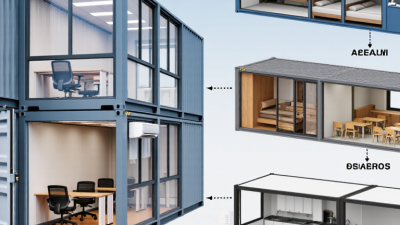
7 Best Shipping Container Buildings for Global Buyers
Shipping container buildings are changing how global buyers imagine practical, adaptable space. From compact offices to multi-unit homes, these structures can reduce construction time and reuse strong steel modules. However, a container is not automatically a safe or comfortable building. It is only a starting point.
Architect Adam Kalkin once said, “I like the idea of taking something that is obsolete and making it useful again.” That idea explains the growing appeal of shipping container buildings. Yet usefulness depends on careful decisions. Buyers must examine insulation, ventilation, moisture control, structural cutting, and local building requirements. A bare steel box can become unbearably hot at midday and surprisingly cold before dawn.
This guide explores seven shipping container buildings suited to different global needs. The selection includes modular homes, portable offices, retail spaces, classrooms, hospitality units, emergency facilities, and larger commercial developments. Each option has practical strengths and limitations. Some designs install quickly. Others need stronger foundations, cranes, or specialist engineering.
Details matter. Check the container’s condition, floor treatment, corrosion, and previous cargo history. Ask whether the supplier provides engineering drawings, material specifications, and installation support. Confirm wind, snow, seismic, fire, and energy requirements with qualified local professionals.
The concept is promising, but not effortless. A beautiful rendering cannot reveal condensation behind a wall panel. It cannot predict delivery delays or difficult ground conditions. Reliable buyers compare the design, supplier, budget, and climate together. The best building is not always the most striking one. It is the one that performs well after the photographs are forgotten.

What Shipping Container Buildings Are and How They Are Used
Shipping container buildings are structures made from retired or modified steel freight containers. Their strong frames provide a useful starting point for offices, workshops, classrooms, cafés, storage rooms, and compact homes. Builders may join several units to create larger interiors. Doors, windows, electrical systems, plumbing, and insulation then transform the plain metal box.
Their uses depend on climate, site conditions, and local building requirements. A coastal office needs careful corrosion protection. A cold-region workspace requires proper insulation and controlled ventilation. Without these measures, condensation can damage finishes and create uncomfortable rooms. From practical experience, the container itself is only the shell. Good planning determines whether the building feels reliable or temporary. Some projects also use containers for remote medical stations or emergency facilities, where transport and quick assembly matter. However, access, foundations, drainage, and professional inspections still require attention.
Tips: Check the container’s structural condition before purchase. Look for rust, bent corner posts, repaired floors, and chemical treatment records. Measure internal dimensions after insulation, because usable space becomes smaller. Confirm permits, fire safety, wind loads, and utility connections with qualified local professionals. A low price can hide expensive modifications. That lesson is easy to miss. Also, not every container suits every purpose. Careful design matters more than novelty.
How to Evaluate Container Buildings for Global Projects
How to Evaluate Container Buildings for Global Projects
A container building should be assessed as a building system, not a cheap steel box. The first check is dimensional compatibility. ISO 668 defines standard container dimensions, but usable interior space changes after insulation, wiring, plumbing, and fire-rated linings are installed. Measure the finished room, not the empty shell. Shortcuts create expensive surprises.
Transport history also matters. UNCTAD’s Review of Maritime Transport reports that ships carry over 80% of global merchandise trade by volume. Therefore, inspect corner castings, floor condition, corrosion, and repair records before relocation. A unit with heavy salt exposure may need extensive treatment. Request steel grades, coating details, structural calculations, and lifting instructions. Do not rely on photographs alone.
Energy performance deserves equal attention. The 2023 Global Status Report for Buildings and Construction states that buildings account for about 37% of global energy-related emissions and process emissions. Thin insulation can turn a container into an oven in a hot climate or a cold chamber in winter. Compare U-values, shading, ventilation, and air-conditioning loads for the actual site. Check drainage around raised foundations, especially where seasonal flooding occurs. Local fire, accessibility, seismic, and planning rules must be verified by qualified professionals. International conformity does not automatically equal local approval. A low purchase price can be a false economy. I would also allow contingency for rust removal, replacement flooring, and imperfect site data. That is less exciting, but more reliable.
Seven Shipping Container Building Types for Different Needs
Shipping container buildings serve very different purposes for global buyers. A compact container home can provide a practical residence with bedrooms, plumbing, insulation, and natural light. A modular office creates quiet workstations near construction sites or remote facilities. Retail kiosks use smaller layouts for cafés, ticket counters, and local shops.
Classroom buildings offer fast learning spaces when conventional construction takes too long. A small clinic can include examination rooms, waiting areas, ventilation, and washable surfaces. Hospitality cabins suit resorts and temporary accommodation, especially when guests need private bathrooms and shaded entrances. Workshops and storage buildings provide secure areas for tools, equipment, and inventory. Each type needs a different layout.
Tips: Confirm local building codes, transport limits, fire safety rules, and foundation requirements before ordering. Inspect steel condition carefully. Rust around the floor frame can become an expensive problem. Ask for insulation details, electrical drawings, door measurements, and a realistic delivery plan. Experience shows that climate matters more than many buyers expect; hot regions need solar control, while cold areas need stronger thermal barriers. I once underestimated drainage on a sloped site. The correction delayed installation. Plan for water flow early. Standard containers may look simple, but successful buildings depend on skilled modification, qualified installation, and honest project measurements.
How Climate, Building Codes, and Site Conditions Affect Selection
Choosing among the seven best shipping container buildings starts with local climate, not appearance.
In humid coastal regions, salt air can corrode exposed steel quickly. Protective coatings, sealed joints, and regular inspections become essential. A raised foundation also helps prevent moisture damage after heavy rain. In cold climates, insulation must handle freezing temperatures and indoor condensation. Poor insulation creates cold bridges along the steel walls. That problem is easy to miss during a sunny site visit.
Building codes can change the entire design.
A container shell does not automatically satisfy residential or commercial requirements. Local authorities may request structural calculations, fire-rated walls, emergency exits, ventilation, and accessibility features. Wind and snow loads also differ between regions. One common mistake is treating a modified container like a simple movable box. It is still a permanent building in many locations. I have seen projects delayed because approval documents arrived after fabrication began.
Site conditions matter just as much.
A sloping lot may require retaining work, drainage channels, or adjustable foundations. Weak soil can increase support costs. Crane access needs careful checking, especially on narrow streets or soft ground. Utility connections may be farther away than expected. Leave space for maintenance around every unit. A compact layout can look efficient but become difficult to repair. My own planning preference is not perfect; early drawings often underestimate water runoff and delivery clearance. Those details deserve another site review.
How to Compare Suppliers, Costs, and International Delivery Requirements
Choosing among the seven best shipping container buildings requires more than comparing photographs. A reliable supplier should provide structural drawings, steel specifications, insulation details, and a clear factory inspection process. Ask whether the unit uses a 20-foot or 40-foot container, and check its usable interior height after flooring and insulation. Small details matter.
Compare prices line by line. A low quotation may exclude electrical wiring, plumbing, windows, foundation work, port handling, or inland delivery. Request a payment schedule linked to production milestones. Confirm the warranty in writing. Also review previous export projects, quality certificates, and independent inspection options. Credentials help, but consistent documentation matters more.
International delivery can change the budget quickly. Confirm the delivery term, container dimensions, gross weight, loading method, and destination port requirements. Your customs broker may need commercial invoices, packing lists, origin documents, and accurate tariff classifications. Some destinations require structural approval, fire protection, energy calculations, or local permits before installation. Check wind and snow loads early. A unit designed for one climate may fail another approval review.
I have seen buyers focus on the factory price and overlook crane rental and final-mile trucking. That mistake is expensive. Sometimes, it is avoidable. Ask for a landed-cost estimate, not only a product price. Schedule extra time for inspections, customs delays, and damaged components. International projects rarely follow the first plan perfectly.